
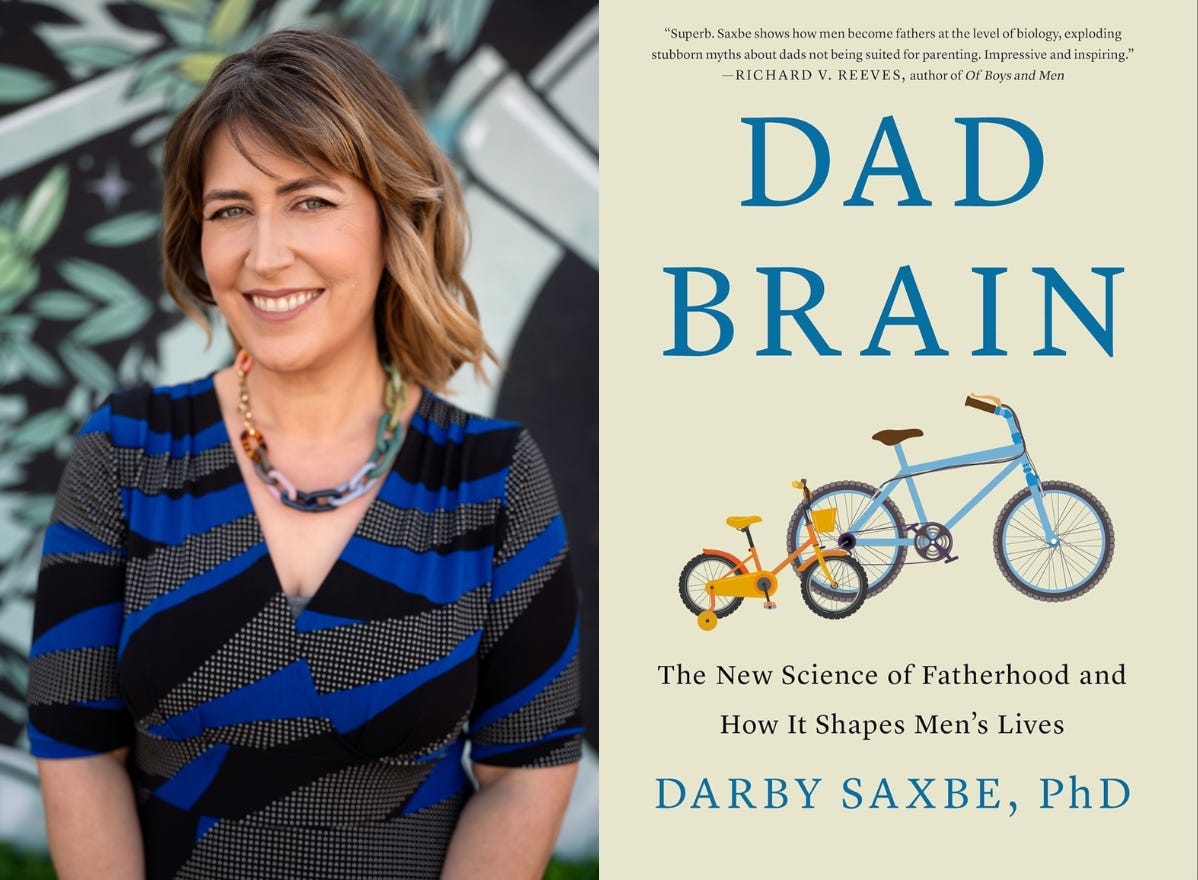
For decades, conversations about parenting have focused primarily on mothers. But according to psychologist Darby Saxbe, we’ve been overlooking one of the most interesting transformations in family life: what happens when men become fathers.
A professor of psychology at the University of Southern California, Saxbe has spent more than twenty years studying how relationships shape our brains, bodies, and behavior. In her new book, Dad Brain: The New Science of Fatherhood and How It Shapes Men’s Lives, she draws on research from around the world to explore a deceptively simple idea: Great fathers are made, not born.
The book argues that fatherhood is less an instinct than a process. Time spent caring for children can reshape men’s brains, alter their hormones, strengthen family bonds, and even influence long-term health. Along the way, Saxbe challenges long-held assumptions about gender, parenting, and what fathers are capable of becoming.
In this installment of 21 Questions, Saxbe discusses academic writing, internet procrastination, and why she’d happily trade psychology for a locked-room murder mystery (at least for one book).
21 Questions with Darby Saxbe
1. I couldn’t have written my last book without…
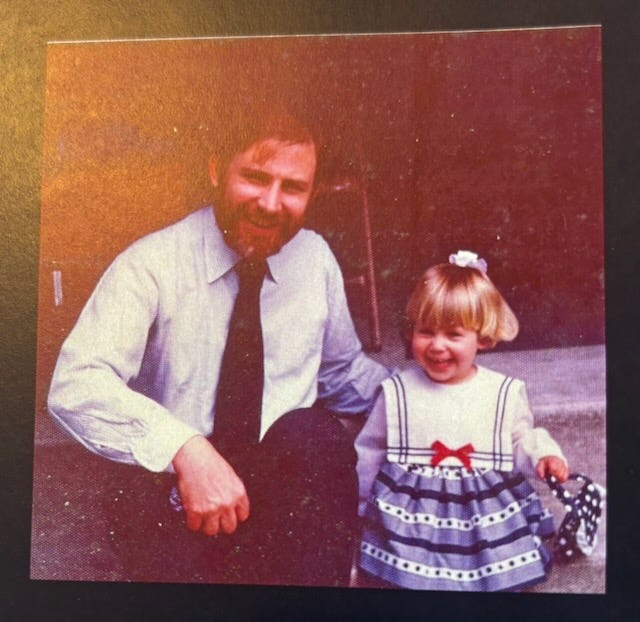
Plenty of help, starting with my own dad.
I got interested in fatherhood because of my own dad’s transformation during my childhood. He went from a typical checked-out 1980s dad to a hands-on primary parent after my parents got divorced. But I didn’t actually get to conduct the fatherhood research in my book until I got the support of my university and external grant funders, who gave me the space and resources to collect my data. My graduate students led many of the projects described in the book.
When it came to writing the actual book, I wouldn’t have finished a single chapter without the support of my husband and kids. I spent about a year being even more distracted and preoccupied than usual, and they tolerated my absences with good humor.
2. What’s the thing most people get wrong about being a writer?
People think writers can naturally put elegant sentences together and write succinct, compelling prose right off the bat. They should see my shaggy, incoherent drafts, which are full of sentences like “WRITE CONCLUSION” and “Say something funny here.” The work of writing is really in the editing.
3. What’s your most common form of procrastination?
Snacking is probably number one. Surfing the internet is a close second. Unfortunately, that second habit means I get sucked into arguing about politics and culture online far too frequently. I’ve had some very stern talks with myself about this behavior because I often end up in circular arguments that leave everyone frustrated.
4. Do you read your reviews?
Definitely! I’m not made of stone.
Getting ready to release a book is a little bit like having a new baby and then asking everyone to rate its cuteness. On the one hand, I’m desperate for people to see and admire my new baby. On the other hand, I’m incredibly protective of it and sensitive to any critique.
5. What’s the first thing you do after you finish a draft?
Walk around the block.
6. Kiss, marry, kill: podcasts, newsletters, and speaking gigs.
I’m going to sound like an overachiever because I actually like all three.
I’ll marry newsletters because I’ve gotten a lot out of writing regularly on Substack this past year. It’s been a fun escape from my usual academic writing, and I’ve been able to connect with other writers on the platform. It’s time-consuming, but I find it rewarding.
I’ll kiss speaking gigs because I like getting paid to talk about my work, travel, and meet new people.
I will reluctantly kill podcasts. I enjoy doing podcasts when the host is smart and well prepared, but it can be a grind when the host clearly hasn’t read your work and asks the same generic questions you’ve gotten a dozen times.
I’ve also heard that podcasts can sometimes cannibalize a book’s success because listeners get the gist of a book and feel they don’t need to buy it. I worry about that occasionally when I’m talking about my own book. I don’t want to give all the interesting parts away.
7. What’s something you wish you’d started doing five years ago?
Probably started a Substack. I’d have so many more subscribers than I do now! Also, I should have gotten a message to Biden telling him not to run for reelection after his first term.
8. Where do you find new ideas, and how do you keep track of them?
My best ideas pop up when I’m away from my computer—on a walk, at the gym, lying in bed in the middle of the night, or in the shower.
I have a giant Word document saved on my desktop that contains about a decade’s worth of ideas. Most are bad, but every so often I stumble onto a good one.
9. What’s the best piece of professional advice you’ve ever received?
I asked my graduate school mentor when would be the best time to have kids. She said, “You can’t really optimize that. You just have to do it, and you’ll make it work.” She was right.
10. Whose career do you most admire and why?
Sarah Hrdy, the anthropologist who wrote Mother Nature, Mothers and Others, and, most recently, Father Time. She had a serious academic career, but she has also written engaging books that translate her ideas for the public. And in her spare time, she manages an operational walnut farm.
11. What’s on your nightstand right now?
An alarm clock with a very annoying beep and a toppling stack of books that I’m slowly working my way through, including Elizabeth Preston’s A Creature’s Guide to Caring, Maggie Smith’s You Could Make This Place Beautiful, Lena Dunham’s Famesick, Angela Garbes’s Essential Labor, and Tana French’s The Keeper.
12. How did you find your agent?
I got lucky: One of the graduate students in my lab got engaged partway through graduate school, and her fiancé (now husband) had recently started his career as a literary agent. I mentioned in a lab meeting that I was working on a book idea. She connected us for an informational call, and he introduced me to one of his colleagues. The two of them ended up representing me together.
13. What’s a writing rule you’ve happily broken?
Don’t take your laptop to the beach or the pool. I’ve done both.
14. What tech tools (AI included) do you actually use—and which ones do you actively ignore?
I don’t use AI for writing, because writing is how I think and solve problems. I often find that I don’t really understand a concept until I’ve explained it in writing. I worry that a shortcut would also short-circuit my thinking.
I also don’t use AI for research, because I’d rather go straight to primary sources.
But now that I’m in book-promotion mode and trying to be more active on social media, I’ve been using it to help design carousels and write scripts for reels that translate ideas from the book. It’s good at summarizing a lot of information concisely. It’s also very handy for writing code for statistical analysis.
15. What’s the best non-writing skill that’s helped your writing career?
Being a mom has taught me how to work more efficiently and take the long view. I don’t know if I would have had the persistence to write a whole book if I hadn’t survived parenting during a pandemic, stealing little chunks of the day whenever I could be productive. It taught me not to overthink and to take advantage of small windows of opportunity.
16. Can you describe your ideal workday?
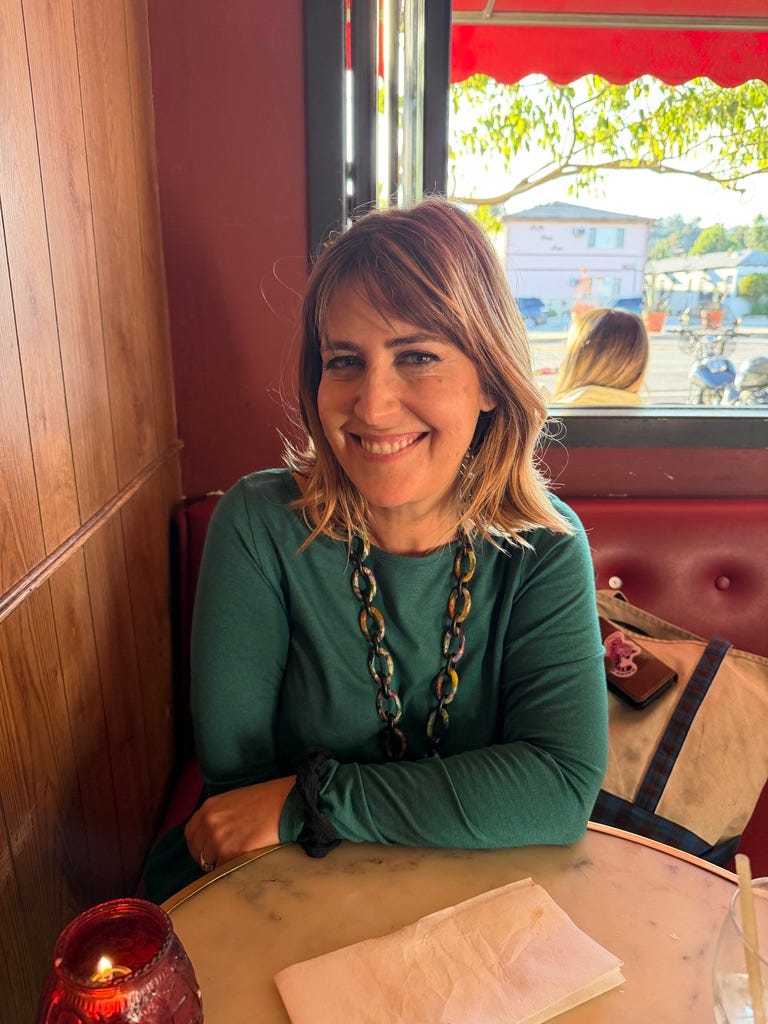
I love writing in coffee shops, and I also like working outside on nice days. I’m fortunate to live in Los Angeles, where there are plenty of cafés with outdoor seating.
On an ideal workday, I’d get to an exercise class in the morning, make it all the way through my inbox in an hour, and then camp out at a café with a shaded patio where I could enjoy a tasty lunch, a tall iced coffee, and an uninterrupted block of writing time.
17. How does that compare to your actual workday?
During the academic year, I might get one or two of those glorious café days a week. The rest of the time I’m on campus or in Zoom meetings. My summer schedule loosens up a bit and gives me more flexibility. The problem is that then it’s too hot to work outside.
18. If you could write one book in a totally different genre than you usually do, which would it be?
I love classic locked-room murder mysteries in the Agatha Christie vein and have long dreamed of writing a detective novel. Murder in the Laboratory? Murder in the MRI Suite?
19. What’s something about the writing life that still surprises you?
When I’m not writing, I feel antsy to get back to it and eager to find more writing time. But as soon as I have a nice big block of writing time, I immediately fritter some of it away surfing the internet. The minute I sit down to write, I want to be doing absolutely anything else. Over the years, I’ve figured out how to work through that resistance and fight my tendency to procrastinate.
20. Fill in the blank: In five years, successful authors will all be _____.
I’d like to fill in the blank with the word human. In fact, I expect we’ll treasure our humanness more than ever in the age of frighteningly competent AI. But I’m not sure I can fill in that blank with total confidence. It’s too soon to say.
21. What is your next book about?
I’ve been working on a book called Underparenting for the last few years. It’s about how to make parenting less stressful by challenging the assumptions behind intensive parenting and examining how culture and the built environment contribute to parental anxiety.
If you enjoyed Darby’s Q&A, you can learn more about her new book here: Dad Brain: The New Science of Fatherhood and How It Shapes Men’s Lives.
More from Author Insider
Author Insider is where writers get the real story of publishing—thoughtful conversations with industry insiders and bestselling authors, clear-eyed analysis of where the market is headed, and practical strategies for building a sustainable writing career. Whether you’re just starting out or several books in, the goal is the same: helping you make smarter decisions about your work.
If you’re new to Author Insider, here are a few reader favorites:
Until next time,
Panio
Author Insider is a reader-supported publication. To receive new posts and support my work, consider becoming a free or paid subscriber.
