
With a full-time job, three kids, and six pets, I’ve never been able to pull off a daily writing routine. Instead, I write on weekends and the occasional free evening but, most of all, while on vacation (ruining the whole take-it-easy ethos of a vacation, but you have to find time somewhere).
Then a few years ago, a writer-friend to whom I’d been complaining about not getting enough writing done challenged me to write every single day for a month. “Just get up early every morning and write for fifteen minutes.”
It seemed worth a shot. So I did it.
Annnnnd it sucked. I was ridiculously groggy and just wanted to go back to sleep. Worse, I knew that there was no more sleep coming my way, because any minute I’d have to get my kids ready for school, and the whole machinery of the day would kick into gear.
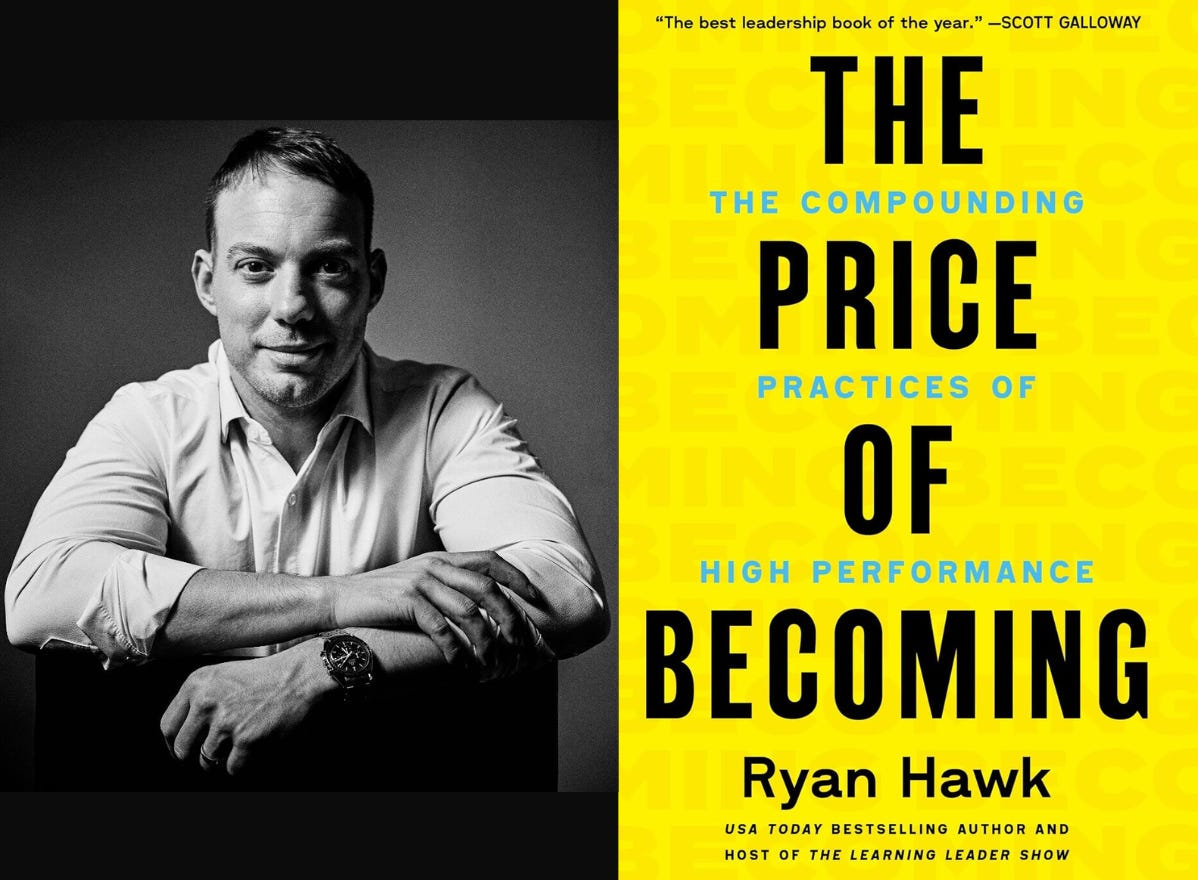
So I shelved the idea of a daily writing habit until recently, when I interviewed Ryan Hawk about his new book, The Price of Becoming. Ryan is the host of The Learning Leader Show, one of the world’s most popular business podcasts, where he’s spent the past decade interviewing hundreds of leaders, entrepreneurs, athletes, and thinkers about what separates good from great. In The Price of Becoming, he distills those conversations, along with his own experience, into a practical guide to sustained high performance.
In his Author Questionnaire, Ryan explains that he woke up early and wrote every morning for 200 consecutive days. Not only is that a wildly impressive feat, it also reflects the central argument of his book: excellence isn’t built through occasional bursts of inspiration but through thousands of small, consistent actions.
While I'm still allergic to 5:30 a.m. writing sessions, I have to admit that he makes a compelling case.
In today's Author Questionnaire, Ryan discusses the books that shaped him, the habits that sustain him, and what he's learned after interviewing hundreds of high performers.
21 Questions with Ryan Hawk
1. I couldn’t have written my last book without…
Getting up early and writing every morning for 200 consecutive days.
2. What’s the thing most people get wrong about being a writer?
The great ones make it look easy. It’s not.
3. What’s your most common form of procrastination?
Looking at my phone: Instagram, Twitter, TikTok.
4. Do you read your reviews?
Sometimes. I like to see which parts of my books (or my podcast) are resonating most with people. But my dad told me many years ago: “If you do anything of significance, people will write and talk about you. Don’t get too high from their praise or too low from their criticism. Keep working.” That’s helpful to remember.
5. What’s the first thing you do after you finish a draft?
Send it to my research assistant.
6. Kiss, marry, kill: podcasts, newsletters, and speaking gigs.
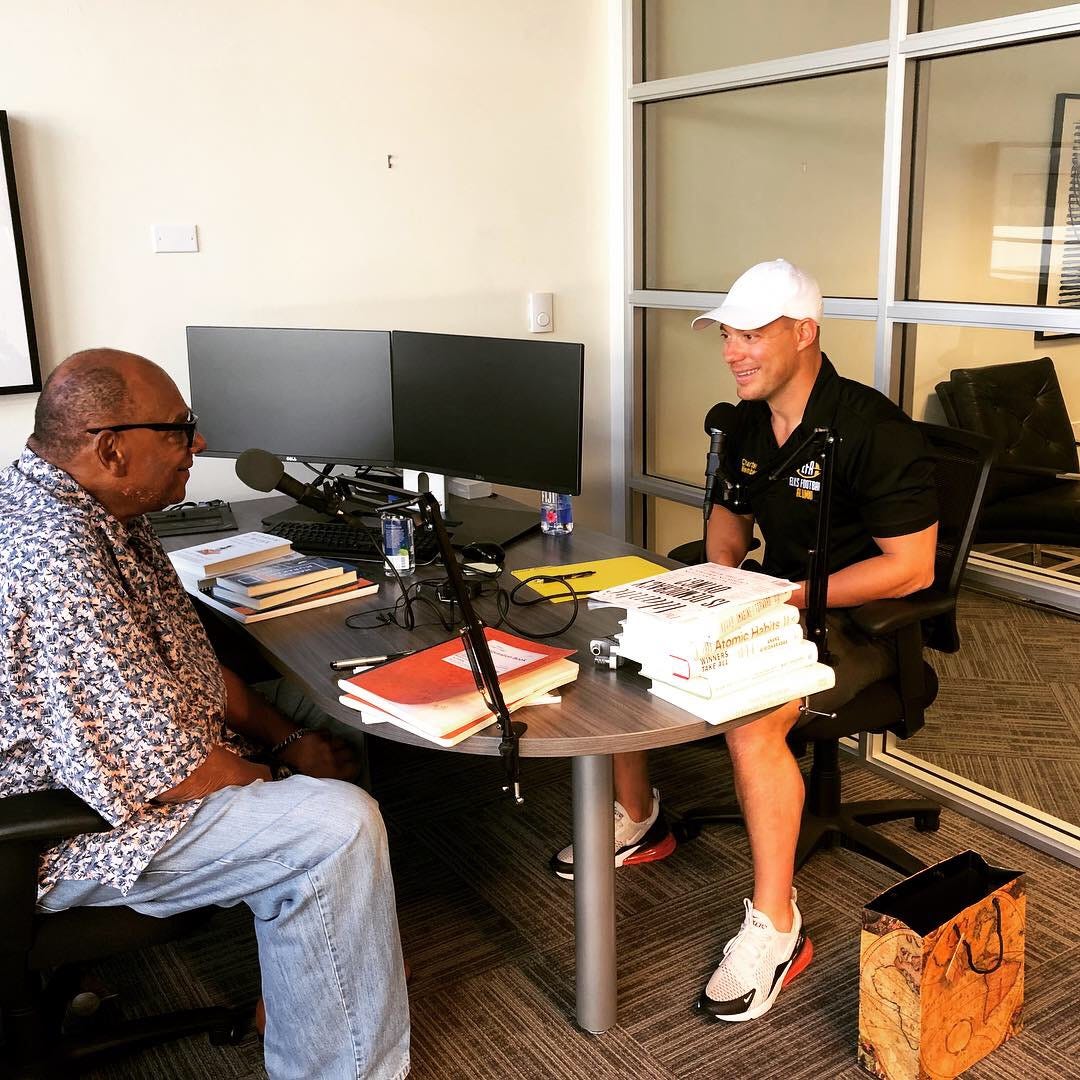
Marry: My podcast, The Learning Leader Show, is my full-time job and my favorite thing to do. I’ve been interviewing leaders and go-getters for over 10 years.
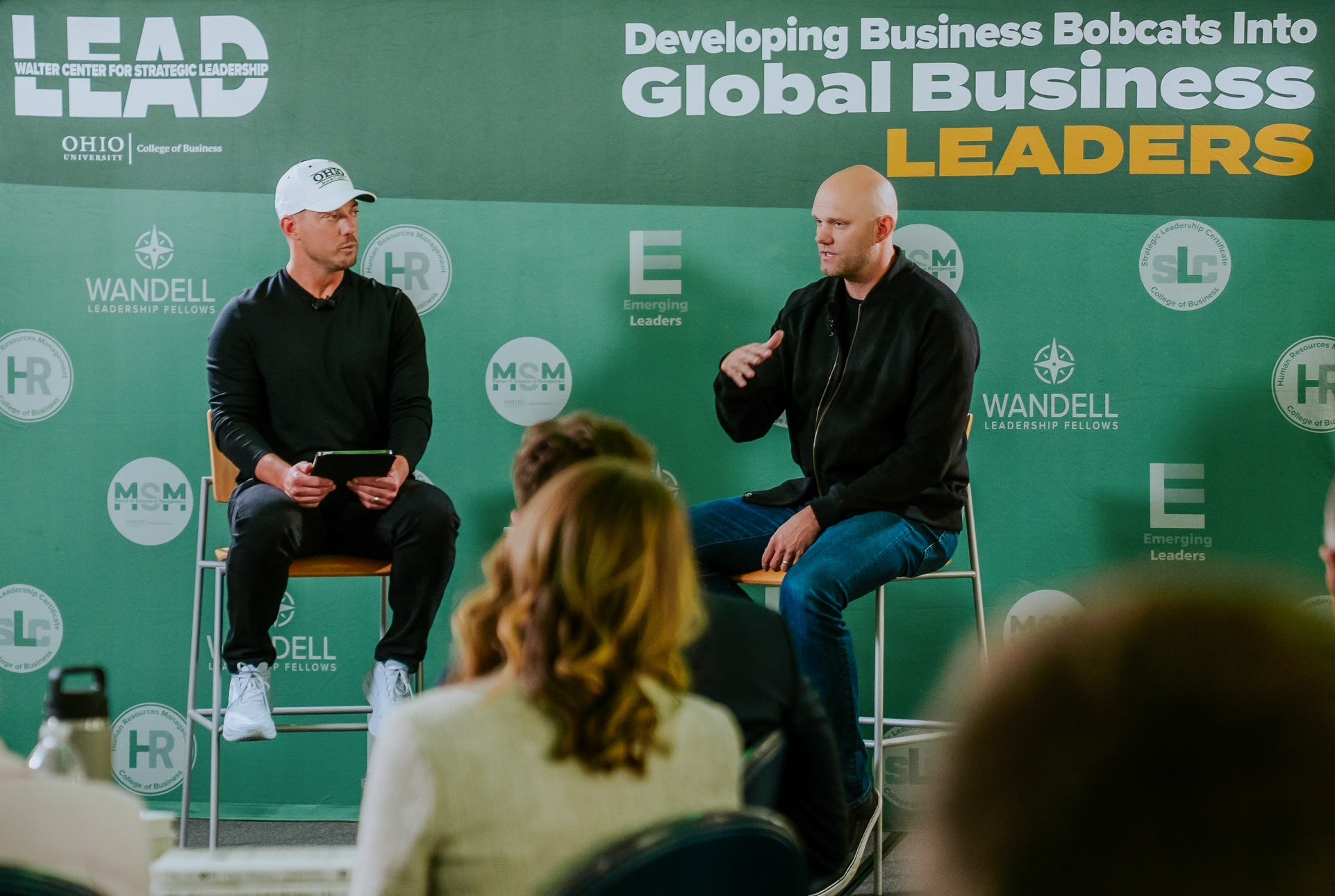
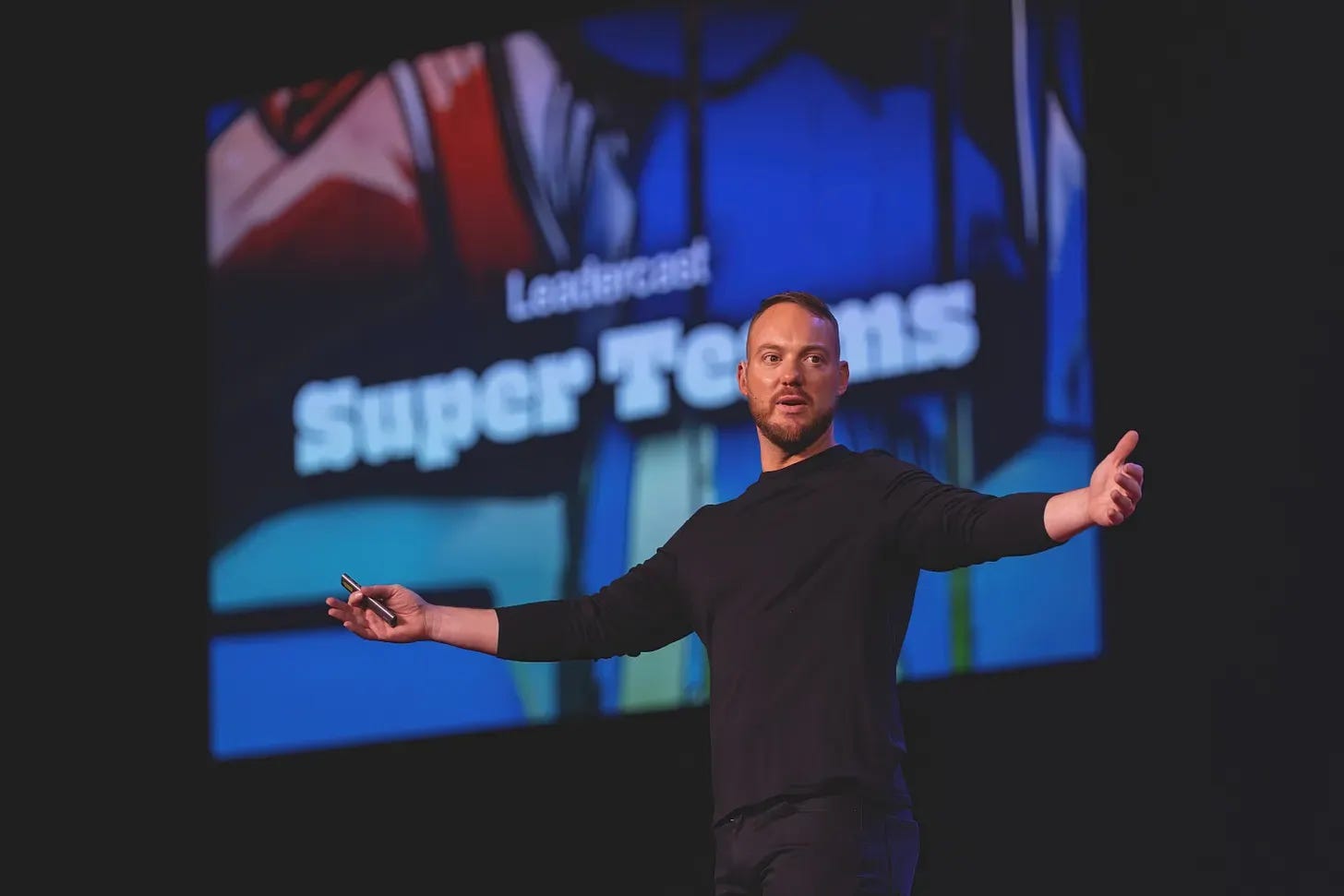
Kiss: Speaking. I love getting up on stages and sharing my message with others— it’s exciting and always a little bit different.
Kill: Nothing! I love newsletters too. Both the one I write every week, Mindful Monday, and the ones I read.
7. What’s a writing habit you’re embarrassingly superstitious about?
I write emails to myself on my phone. Some of those stories have made it into my books with very little editing.
8. Where do you find new ideas, and how do you keep track of them?
I go on walks. Sometimes with my wife. Sometimes with just my dog. We live near a beautiful park, and it’s helpful for me to be out in nature. I regularly stop and write in the notes app on my phone, or I write an email to myself.
9. What’s the best piece of professional advice you’ve ever received?
Do what you say you’re gonna do. Follow through. Follow up.
10. Whose career do you most admire and why?
Morgan Housel and James Clear. Great family men. Incredible writers/thinkers/speakers, and they are genuinely kind and generous people.
11. What’s on your nightstand right now?
A cup of water.
12. How did you find your agent?
Dave Moldawer has helped a lot of my friends with their proposals over the years. I originally hired him to help me with that. We finished the proposal right as he was becoming a book agent with Writers House. It seemed like a natural fit for him to represent me (he knew the book better than anyone). For my first three books (Welcome to Management, The Pursuit of Excellence, The Score That Matters), I worked with Jim Levine. I got introduced to him by friends/authors who had been on my podcast. He was great, too.
13. What’s a writing rule you’ve happily broken?
What are the writing rules?
14. What tech tools (AI included) do you actually use—and which ones do you actively ignore?
I work with Claude and ChatGPT. Don’t use the others that much.
15. What’s the best non-writing skill that’s helped your writing career?
I grew up playing sports. Went to college on a football scholarship. I learned discipline, consistency, preparation, how to bounce back from losing… So much learning from football. That’s helped me a lot as a writer.

16. How many drafts before you show your editor?
Six or seven.
17. Can you describe your ideal workday?
Wake up at 4:30 am. Stretch. Hydrate. Write for 90 minutes. Lift weights at the gym. Run. Read on the elliptical to cool down. Go on a walk with my wife. Have breakfast with my kids. Put my youngest daughter, Charlie, on the bus. Go to my studio. Record a podcast with a leader who’s putting a positive dent in the world. Have lunch with my wife. Meet with my leadership circle in the afternoon. Get Charlie off the bus at 3:58. Go to the pool/swim with family & friends. Go on a walk with my wife after dinner.
17. How does that compare to your actual workday?
I try to do it as much as possible. But sometimes I travel for a speaking gig, or our team is working with our clients in person.
18. If you could write one book in a totally different genre than you usually do, which would it be?
Probably about sports or movies. I love The Rewatchables. It’s a podcast where Bill Simmons and his co-hosts watch movies and deconstruct them. It’d be fun to do something like that
19. What’s something about the writing life that still surprises you?
It’s still really hard to write good stuff. And the great ones make it look easy. But I think it’s hard for them too… At least that’s what they tell me.
20. Fill in the blank: In five years, successful authors will all be _____.
Writing every day.
21. What is your new book about?
The Price of Becoming is about the compounding practices of high performance. It will help you go to bed a little bit better than you were when you woke up.
You can learn more about Ryan’s book here: The Price of Becoming
More from Author Insider
Author Insider is where writers get the real story of publishing—thoughtful conversations with industry insiders and bestselling authors, clear-eyed analysis of where the market is headed, and practical strategies for building a sustainable writing career. Whether you’re just starting out or several books in, the goal is the same: helping you make smarter decisions about your work.
If you’re new to Author Insider, here are a few reader favorites:
Video Replay: Why the Reader Is the Hero of Your Nonfiction Book
What Fatherhood Does to the Brain: 21 Questions with Psychologist Darby Saxbe
Until next time,
Panio
Author Insider is a reader-supported publication. To receive new posts and support my work, consider becoming a free or paid subscriber.