
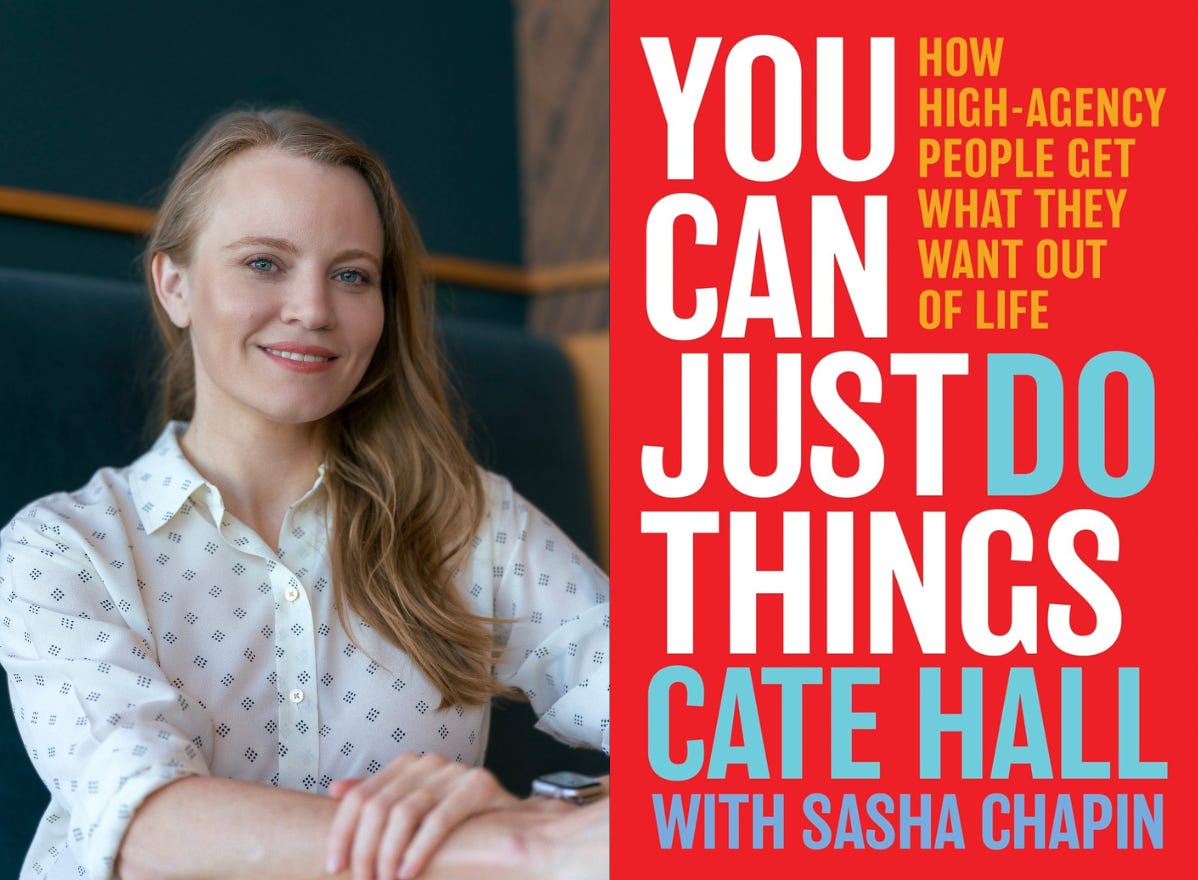
Cate Hall has made a habit of ignoring conventional career advice. Before writing You Can Just Do Things, she left an elite legal career for professional poker, co-founded a biotech startup, and later led one of the world’s largest philanthropic foundations. Her newly released book asks what might happen if more of us stopped waiting for permission.
In this edition of 21 Questions, Cate reflects on Substack, sci-fi, and the surprising value of looking foolish.
21 Questions with Cate Hall
1. I couldn’t have written my last book without…
Substack, and the lovely audience that I’m lucky to have there. The ability to test out ideas in public gave me confidence, helped me refine my thinking, and showed me what wasn’t working. I have so much respect for those who work in a more private fashion, but I need the door open.
2. What’s the thing most people get wrong about being a writer?
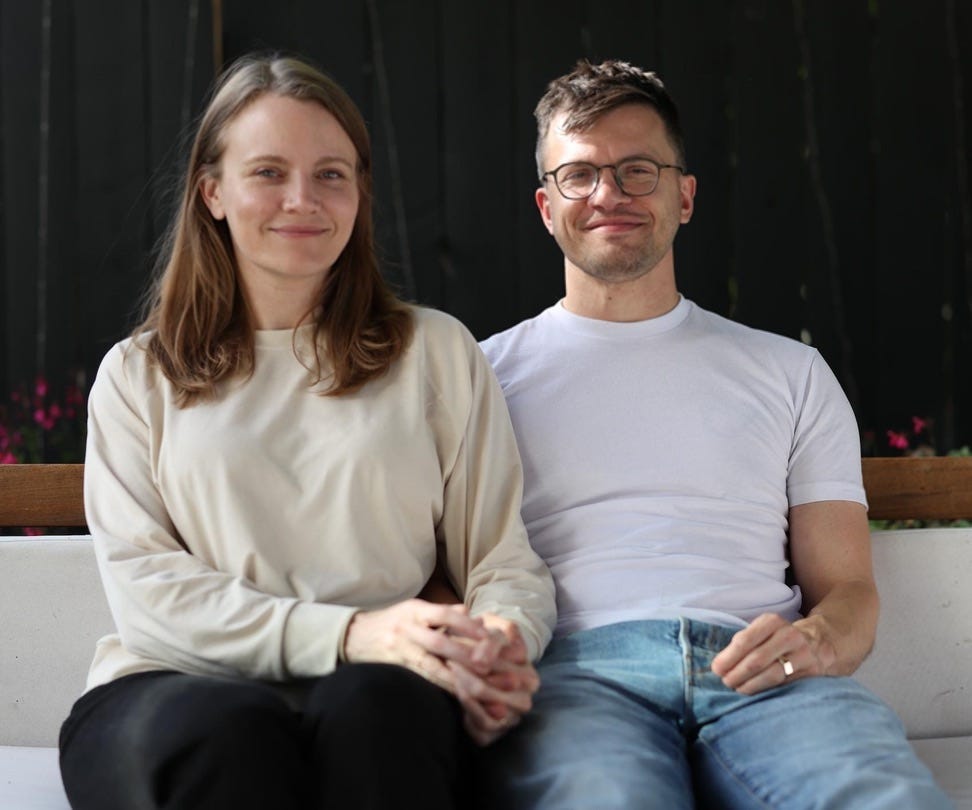
Related to my previous answer: that being a writer is about being an intellectually gifted individual, laboring privately to produce a perfect tome. Maybe it’s like this for some people. But for me, it’s a much more communal process. It’s about striking a balance between personal authenticity and input from the world. Feedback from my husband, editors, and readers is as helpful as my own taste and life experiences.
3. What’s your most common form of procrastination?
I refuse to accept that crosswords are procrastination. I am training my “verbal IQ.”
4. Do you read your reviews?
I don’t have any reviews yet. As you will find out from my book, I’m a big believer in taking feedback. And so, I plan to read my negative reviews and will attempt to see if there’s useful information in there for me. However, my experience on Twitter has also shown me that communicating in public means being vilified for things you never said, based on a projection of yourself that you have nothing to do with. I accept that this may happen with book reviews as well.
5. What’s the first thing you do after you finish a draft?
I try to take time off from a draft if I can. It’s an agonizing process for me; I want it to be perfect right away, and imperfection bugs me as soon as it exists. And yet, I’ve found that the cliché is true—creative solutions arrive in the shower, or in the car, when you’re mostly thinking about other things.
6. Kiss, marry, kill: podcasts, newsletters, and speaking gigs.
Marry: newsletters. People who lament the death of written culture clearly aren’t browsing the best of Substack and other blogging platforms; I’m privileged to be a part of this moment.
Kiss: speaking gigs. Though I’m highly averse to public speaking, because I have a conflicted relationship with attention and dislike my voice, working through that aversion has been thrilling.
Kill: podcasts—we all know they’re mostly entertainment masquerading as education. (Although to be clear I enjoy them, and will still do many promotional podcasts for my book.)
7. What’s a writing habit you’re embarrassingly superstitious about?
I am superstitious that putting effort in is rewarded. I am a merciless and thorough editor of myself, and though I think the best material comes from a place of playful openness, it requires work work work to refine.
8. What’s something you wish you’d started doing five years ago?
Writing in public! The benefits are completely unreasonable, and given that they compound over time, I wish I’d started earlier. By the benefits I mean both the exterior benefits (new friends, good networking) and interior benefits (spiritual satisfaction). It feels wonderful to give yourself away.
9. Where do you find new ideas, and how do you keep track of them?
Most of my ideas for the book came from wrecking my life a couple of times. I keep track of them from the scars in my memory. I don’t have a formal archival process for ideas. Though I haven’t thought about this before, I think I’m only interested in writing about things that really haunt me. If I have to keep track of it, we’re not hitting the bar.
10. What’s the best piece of professional advice you’ve ever received?
If you’re in a position of authority, any feedback you receive on your communication is likely to be true and 10x worse than they say, because they’re being diplomatic. Take it seriously. In general, the greater your responsibilities, the more important it is to get accurate information about how you’re performing, and the less people give it to you. Being a leader has this in common with doing creative work—it’s vital to maintain a personal vision while being absolutely open to input you don’t necessarily want to hear.
11. And the worst?
That I would regret dropping out of big law. I felt relief almost immediately, and I’m so glad that I left just before my salary ballooned to outrageous levels. I have to assume that I’m corruptible by money like anyone else, and so it might’ve been much harder to get out later. I’m so grateful for the wild highs and lows that followed it—my life is a miracle.
12. Whose career do you most admire and why?
My friend Nan Ransohoff, who is working hard for the good of humanity, with a level of ambition that scares even me. Currently, she’s working on an attempt to end viral respiratory infections. It’s funny that this is literally a joke—“What’s next, the cure for the common cold?” She left a very cushy professional career to pursue goals like these, and I expect us all to be better off for it.
13. What’s on your nightstand right now?
Waiting for God by Simone Weil, the ravings of a sensitive mystic; Permutation City by Greg Egan, some dark science fiction; and Confidential by John Nolan, a guide to uncovering business secrets. I’d like to think that if you triangulate these titles, this is actually who I am deep down.
14. How did you find your agent?
She reached out cold after reading some of my Substack writing. Thank you, Lisa!
15. What’s a writing rule you’ve happily broken?
The use of adverbs. I write clear declarative prose most of the time, because that’s how I talk. But I’m happy to have a sentence end clunkily. Reading someone who is following all the rules feels like hanging out with someone who’s following all the rules. Why so uptight? Who are you trying to impress?
16. What tech tools (AI included) do you actually use—and which ones do you actively ignore?
I tried to use AI for research for my book. I’m not opposed to it: we all loathe AI slop, but I think it’s theoretically possible for AI to enhance, not replace, human creativity. I created a detailed prompt explaining what I wanted, and really tried to get good results. But it was much less helpful than old-fashioned research! I think AI can’t currently grasp the rich context of an artistic project, and so it can’t make great judgments about what’s relevant. Having given up on this for now, I don’t use tech tools fancier than a keyboard.
17. What’s the best non-writing skill that’s helped your writing career?
The ability to tolerate embarrassment and misinterpretation. One way for writing to be weak is defensiveness. My writing used to be like this: hedged to prevent any criticism. That also prevents any enjoyment. Now, I understand that strong writing requires leaving space for misinterpretation, and that people will misinterpret the fuck out of you on the internet.
18. How many drafts before you show your editor?
1–20, depending. I really don’t have a fixed process. Most of what I write, I’m working on with my husband, and he’s always my first editor. I just try to make something he can understand, which is a low bar, given that, like all married couples, we have a lot of collective shorthand.
19. Can you describe your ideal workday?
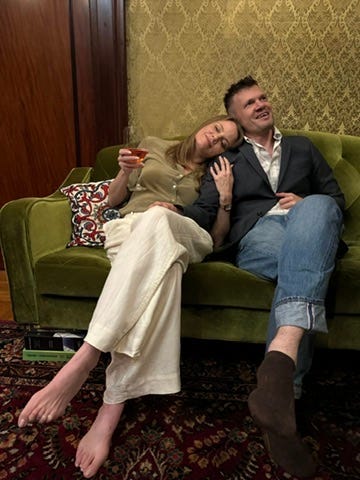
I like to be right at the edge of exhaustion working on something extremely hard. My favorite is when there’s not a lot of task-switching: I get immense pleasure from being able to dig into something high-stakes, like a fundraising document, for several hours. Then I retire to cuddling my cats and husband.
20. If you could write one book in a totally different genre than you usually do, which would it be?
Science fiction—I think people underestimate the power of fiction to seed the future, and I just love rayguns and antimemes and shit. Someday, I want to create an anthology of utopian sci-fi, because I think we’re undersupplied on good ideas about what a positive technological future could look like. And, from personal experience, people creating transformative technologies are just people, which is to say, inspired by books and movies like anyone else.
21. What’s something about the writing life that still surprises you?
How much I can apparently change people’s lives even with writing I feel is just adequate. Writing isn’t my main focus in life, and on a craft level, what I do is highly imperfect. I guess I’ve been lucky to learn some lessons, and I’m happy that I’m a somewhat capable conduit for those lessons.
You can learn more about Cate’s book here: You Can Just Do Things: How High-Agency People Get What They Want Out of Life
More from Author Insider
Author Insider is where writers get the real story of publishing—thoughtful conversations with industry insiders and bestselling authors, clear-eyed analysis of where the market is headed, and practical strategies for building a sustainable writing career. Whether you’re just starting out or several books in, the goal is the same: helping you make smarter decisions about your work.
If you’re new to Author Insider, here are a few reader favorites:
When French Philosophy Was Cool: 21 Questions with debut author Emily Eakin
Video Replay: Why the Reader Is the Hero of Your Nonfiction Book
Until next time,
Panio
Author Insider is a reader-supported publication. To receive new posts and support my work, consider becoming a free or paid subscriber.
