

Kathleen Schmidt has spent more than twenty years in book publicity. She’s worked in publishing houses, as an independent publicist, and now as the sharp, unfiltered voice behind Publishing Confidential, one of the most widely read newsletters about the industry. She has seen enough promotional cycles to know what works, what never worked, and what authors consistently misunderstand about getting attention for their books.
During our Author Insider AMA, Kathleen was candid, practical, and direct. She debunked some of the most stubborn myths in publishing while offering clear guidance on how authors can navigate today’s fragmented media landscape.
Here are 7 essential takeaways from our conversation.
To watch or listen to the entire conversation, click here.
1. You can’t be everywhere, so stop trying.
Remember the 2000s, when social media meant Facebook, Twitter, and Tumblr? (Yes, LinkedIn was around, but it was essentially a virtual business card swap.) Back then, you could reach almost everyone online by being on a couple of platforms.
Today, there’s Instagram, Substack, TikTok, Snapchat, Pinterest, WhatsApp, YouTube, podcasts, newsletters, community platforms like Mighty Networks, Circle, Discord… that’s a lot of ground to cover.
While many authors valiantly try to be everywhere, especially when they’re in book publicity mode, Kathleen warns that this approach just isn’t sustainable. Even covering three or four platforms will eventually burn you out. You have to pick one.
So how do you choose? Here’s Kathleen’s one-step strategy: Find the platforms where your readers already are. Then pick the one where you can show up consistently without hating your life.
That’s it. Keep it simple and focused.
2. Digital ads rarely sell books.
If you’ve ever boosted a post and wondered why nothing happened, Kathleen has some reassuring news: it’s not you.
Kathleen has run and observed digital ad campaigns across publishers, budgets, authors, and genres, and the pattern is painfully consistent. Most ads generate impressions, maybe some likes, sometimes a nice-looking click-through rate… and still move almost no books. (Yes, this includes Amazon ads—I asked).
Why aren’t books selling? Because awareness doesn’t equal conversion when it comes to books. Book-buying behavior is straight-up weird. Books rarely follow the logic of other consumer products. Sorry, folks, that’s just how it is.
That said, this doesn’t mean ads have no place. They’re useful for visibility and reinforcement. But the real drivers of book sales are still trust, engagement, and word-of-mouth. Put most of your energy there.
3. Move on from legacy media dreams.
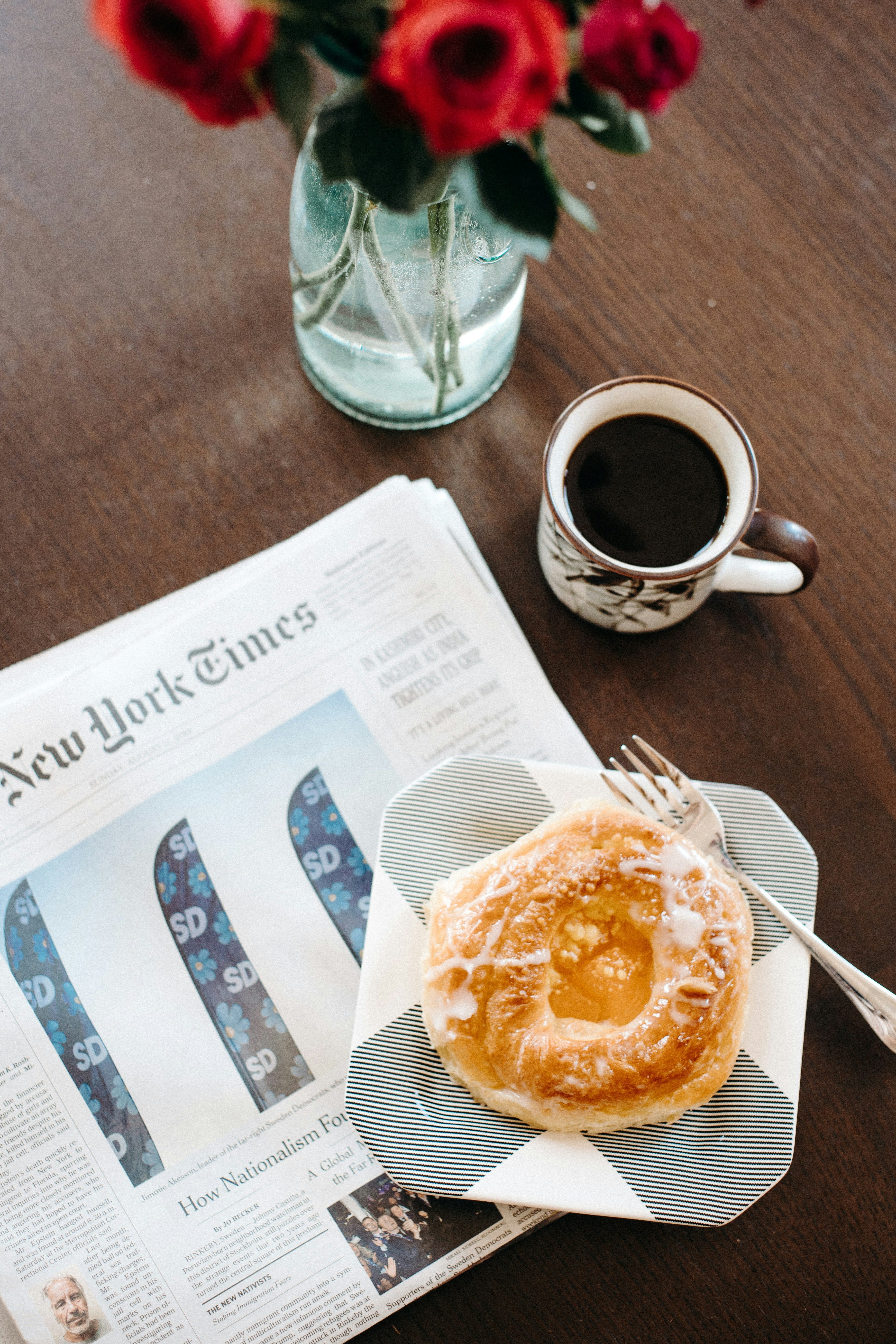
Many authors fantasize about being reviewed in the New York Times or on NPR. The chances of that actually happening, however, might not be what you think. Kathleen shared the sobering statistic that only about one percent of books are reviewed by legacy outlets. Even when you do get that rare placement, the sales bump is often much more minor than you’d expect.
Kathleen stressed that this isn’t a reason to despair; it’s a reason to reorient. The media ecosystem that reliably moved books 10–15 years ago may no longer exist, but other channels do.
Here’s what works now:
Podcasts
Substack newsletters
Niche communities
Topic-specific blogs
Micro-media with loyal audiences
They may not come with bragging rights, but they put books into the hands of actual readers.
