
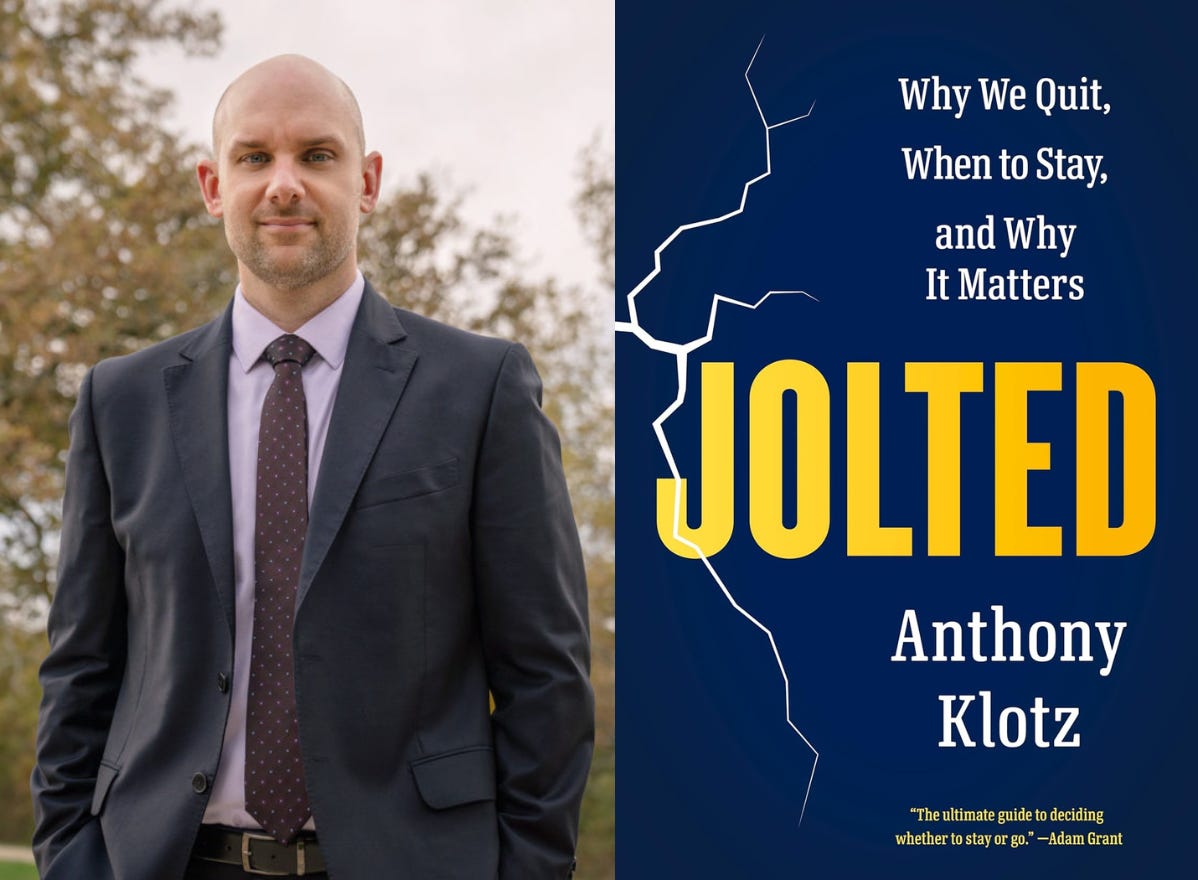
Anthony Klotz is an organizational psychologist best known for predicting—and naming—the “Great Resignation.” A professor at UCL School of Management in London, he studies the psychology of work: why people quit their jobs, how they make career decisions, and what those choices mean for their lives.
His new book, Jolted: Why We Quit, When to Stay, and Why It Matters, explores the pivotal moments that cause people to rethink their relationship with work. Drawing on research and real-world stories, Klotz argues that many career decisions are triggered not by long-term dissatisfaction but by sudden events he calls “jolts.”
In this edition of 21 Questions, Klotz talks about turning research into a book, testing ideas in the classroom, and the moments that shape our working lives.
21 Questions with Anthony Klotz
1. I couldn’t have written my last book without…
Good journalism and good fortune. In late 2020, I was interviewed by a journalist (Arianne Cohen) about how to quit your job. At the end of it, I made an offhand remark that the resulting article would be very useful for the many people who would quit their jobs in the coming wave of resignations. That comment led to another interview with Arianne, for Bloomberg Businessweek, during which I made another offhand remark: “The Great Resignation is coming.” That article and that term went viral, giving my research on when and how to quit a job a platform that led to this book.
2. What’s the thing most people get wrong about being a writer?
Thinking that it’s more about writing than researching. Don’t get me wrong, I do lots of writing and rewriting, but researching before, during, and after writing takes up much more of my time.
3. What’s something you wish you’d started doing five years ago?
Learning a second language. To be fair, this would have been my answer had you asked at any prior point in my adult life. And yet, here I am, monolingual as ever.
4. Hemingway wrote standing up; Edith Wharton, lying down. What are your quirks?
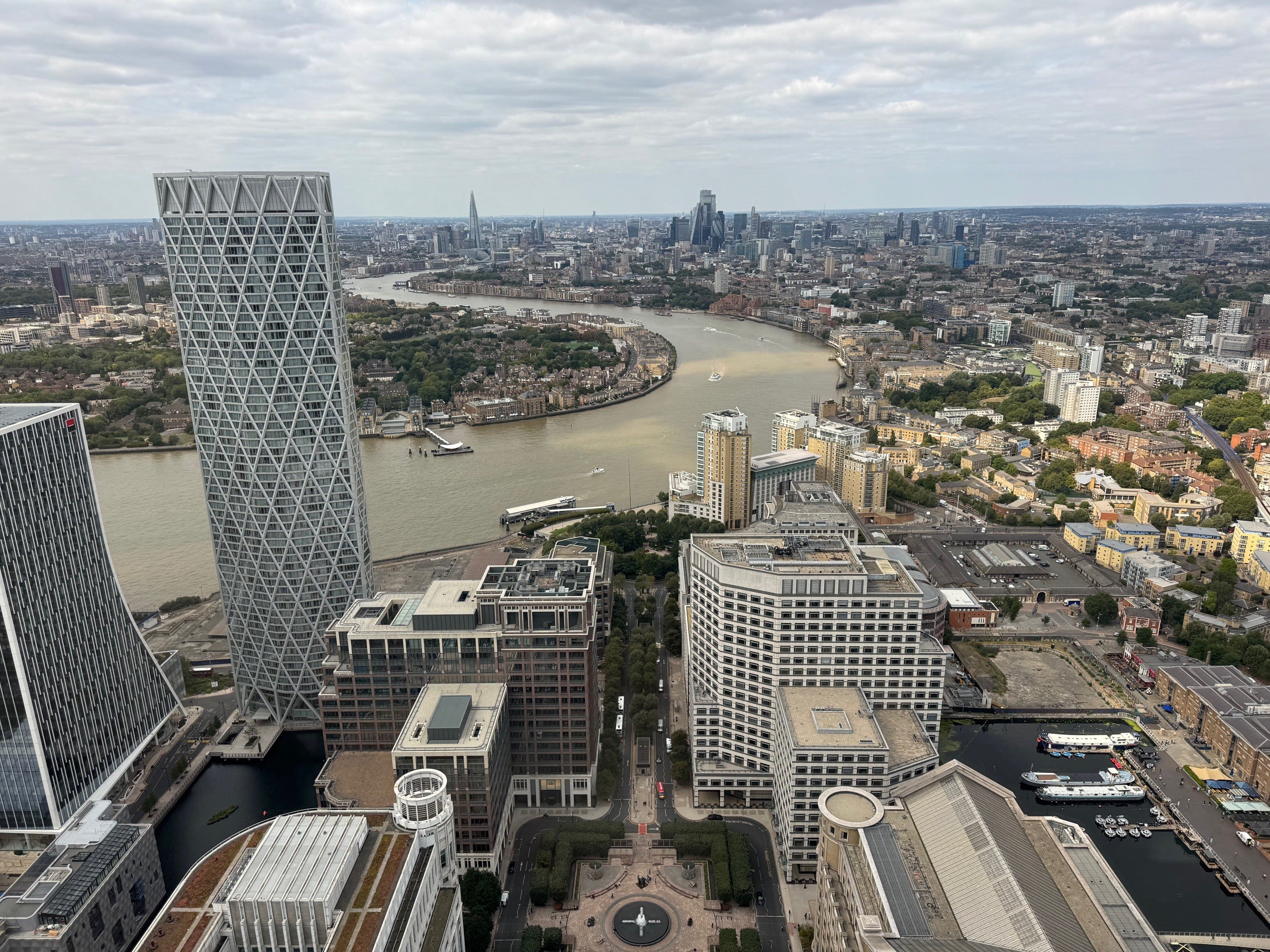
I like to work near a window with a decent view. Preferably something dynamic and with some nature in it. When I’m thinking through how I want to say something, it often helps to turn away from the screen and sort it out while gazing out the window. It doesn’t hurt that my school has some pretty incredible views of the Thames and the London skyline beyond.
5. Do you read your reviews?
I do. University teaching and the academic publication system are built on (often critical) reviews, so it feels normal to engage with them. Savor the positive ones, learn from the constructive ones, and shake off the tough ones.
6. Is there a book you wish you’d written?
Oh yeah, lots of them. Erin Meyer’s amazing book, The Culture Map, springs to mind. Great storytelling, evidence-backed insights, and an incredibly useful and approachable framework. It’s nonfiction at its best.
7. How has AI changed your writing process?
Not much. I use AI in most other domains of my work and life, but not in my writing. My hope is that AI will allow me to reduce the time spent on tasks I don’t enjoy, leaving me with more time for the things I do enjoy, like writing.
8. Where do you find new ideas?
Mainly by talking to people about how their work is going. Hearing how my students think about work is a never-ending source of insight. I also keep up with the business press and the latest buzzwords in the world of work. And of course, I’m a worker too, so there’s a bit of “me-search” going on as well. My original desire to study resignations came from my own experiences of fumbling through quitting, and as a manager, struggling with how to respond when an employee would quit.
9. How do you keep track of new ideas?
Good ol’ post-it notes. I stick them on my desk and hang onto them for a week or two. If I still think the idea is good after staring at it for a few weeks, I rewrite it on a new post-it note, and stick it in a manila folder filled with them. When I’m thinking about starting a new project, I’ll go through the pile, culling out the ideas that don’t resonate with me anymore (or that have been scooped by the great work of others).
10. What’s the best piece of professional advice you’ve ever received?
At one point in the not-too-distant past, I found myself in this rare moment, where I felt like I was at a fork in the road, with multiple good, big projects to choose from. I couldn’t decide which option to pursue, but I knew that I couldn’t take them all on at once.
A good friend and mentor challenged that thinking and advised me that, sometimes in life, you need to say yes to more than you think you can handle, especially when the downsides are relatively small. So, I said yes to everything, and it led to a couple of the busiest yet most rewarding years of my life. And then I needed a serious break.
11. And the worst?
Throughout my career, I’ve been advised by well-intentioned senior colleagues that it’s necessary to become great in all areas of your profession or craft. Of all of the different roles I’ve had, from shift supervisor to entrepreneur to academic, I’ve found that I’m naturally good at some parts of the job, and no matter how hard I try, I struggle with other aspects. I’ve wasted far too much time trying to be great at the parts I struggle with. Now, I simply try to be “good enough” in those struggle spots, and find partners whose strengths complement my weaknesses.
12. What’s on your nightstand right now?
A wonderful memoir written by our neighbor from when we lived in Canada: Finding My Wings by Ron Hunt. It’s chock-full of incredible stories from his youth, and reading it has prompted me to remember long-forgotten stories from my own childhood.
13. How did you find your agent?
Through the kindness and generosity of another business writer, who made some introductions for me.
14. What’s the best non-writing skill that’s helped your writing career?
Teaching students. Because my teaching and writing are in the same area, I can share ideas with my students, who range from undergrads to executives, and see how they resonate. Teaching also requires good storytelling, so in preparing to teach a concept I’m writing about, I often discover more engaging ways to convey the idea.
15. Coffee, tea, or something stronger?
For a long time, the answer would have been coffee, full stop. But British living is rubbing off on me, and now it’s coffee in the morning, and tea in the afternoon.
16. How many drafts before you show your editor?
Well, that depends. Generally speaking, I’ll work through four to five drafts before seeing what my editor thinks. But if we’re working closely on a specific issue, I’ll just send first drafts as we iterate quickly.
17. Can you describe your ideal workday?
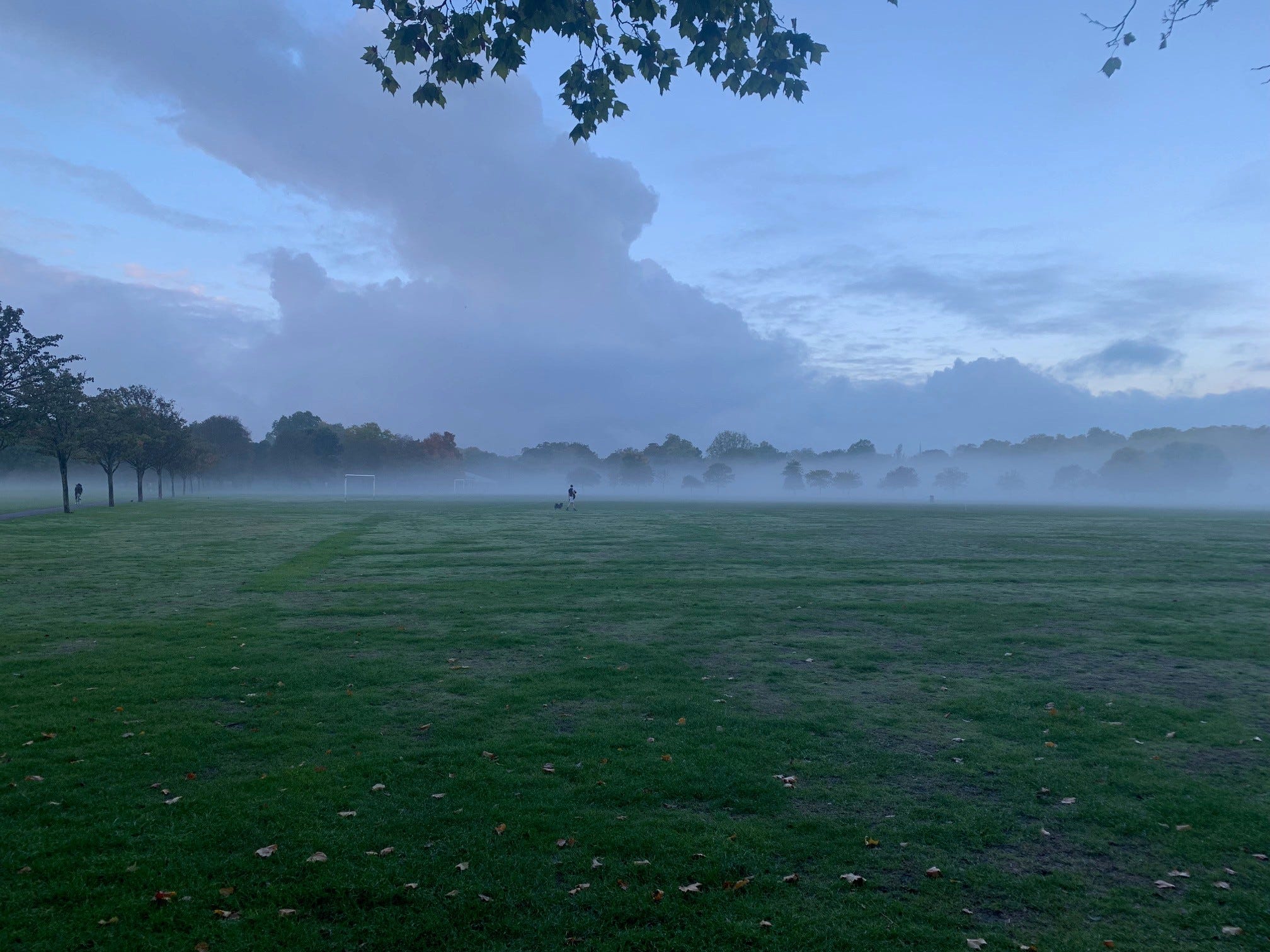
Wake up and spend an hour with coffee and a book, then jog around Victoria Park. Have a smooth commute on the tube, followed by two hours of productive writing. Then lunch and a walk, before teaching a short class on a topic I like. Take afternoon tea with a colleague, answer some emails from my research collaborators, and then meet my wife for dinner and drinks. Do a neighborhood stroll, watch a quiz show, have one more tea, and call it a day.
18. How does that compare to your actual workday?
Maybe over the course of a workweek, I’ll get to all of those things. Most of my workdays have three to four of those elements, with the rest of the time taken up by other demands.
19. What do you wish you’d known when you were starting out?
All the things! But mainly, I wish I’d known (and gotten comfortable with) how much of the process is simply out of your control. Even though you’re writing the book, it’s a collective effort, and so your timing and decision-making autonomy are constrained.
20. What is your new book about?
It’s about jolts. Jolts are events—big and small, in our professional or personal lives—that cause us to stop in our tracks and question our relationship with work. How we navigate the jolts we encounter has meaningful implications for our career success and well-being, but we often manage them poorly (e.g., quitting when we should have stayed, and vice versa).
Jolted is about recognizing these potentially pivotal events when they happen and responding to them in ways that improve our careers and lives.
21. Any questions or feedback you would like from authors in the community?
This is my first book, so I’d love to hear from the community about their favorite moments during the year (or years) following their launch. Any event, encounter, or moment that gave them a burst of delight, pride, or any other positive emotion. I’d love to hear your stories and then be on the lookout for them. Thank you!
More from Author Insider
Author Insider is where writers get the real story of publishing—thoughtful conversations with bestselling authors and industry insiders, clear-eyed analysis of where the market is headed, and practical strategies for building a sustainable writing career. Whether you’re just starting out or several books in, the goal is the same: helping you make smarter decisions about your work.
If you’re new to Author Insider, here are a few reader favorites:
Until next time,
Panio Gianopoulos
Editorial Director, Author Insider & The Next Big Idea Club
Love the advice to say yes to more than you can handle! And I love the insights we gain into how location and background informs our work. Thanks for all of these profiles!