
I hate being in cold water. I have never once been the first person to jump into a swimming pool. In fact, when I’m at the beach, I enter the ocean with such slow, exaggerated, wincing steps that Mr. Bean would roll his bulging eyes and say that I’m overdoing it. And God forbid the temperature of my shower briefly dips below warm—cue the shrieks of agony and betrayal. The prospect of willingly immersing my body in freezing water has never made any sense to me.
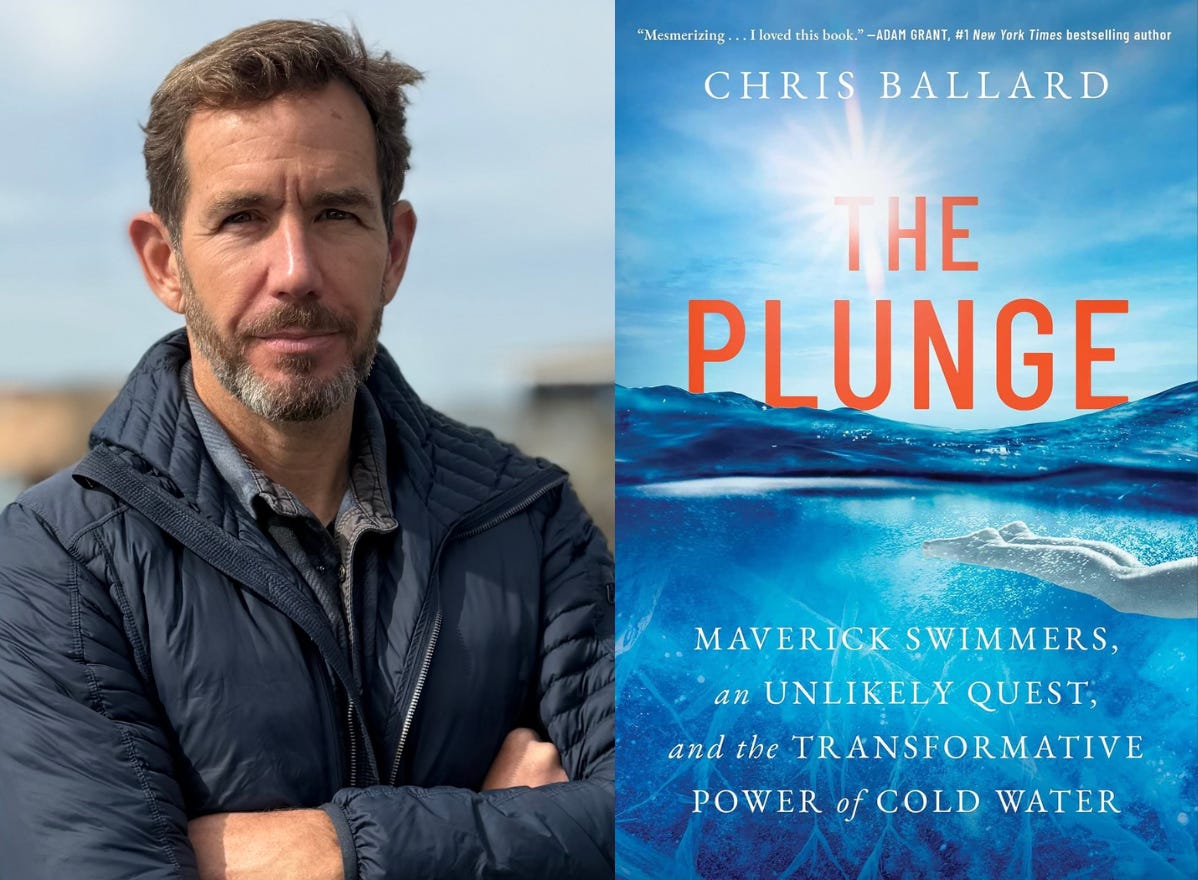
Yet there is a subset of people who love being in cold water. Longtime Sports Illustrated writer Chris Ballard has written a fascinating book about them. In The Plunge: Maverick Swimmers, an Unlikely Quest, and the Transformative Power of Cold Water, Chris goes on a three-year journey through the science, history, and community behind this obsession. And though Chris started out as a skeptic, he eventually became such a fan of plunging that he competed in the Ice Swimming World Championships.
In today’s Author Questionnaire, Chris reflects on writing, reporting, and the art of noticing.
21 Questions with Chris Ballard
1. I couldn’t have written my last book without…
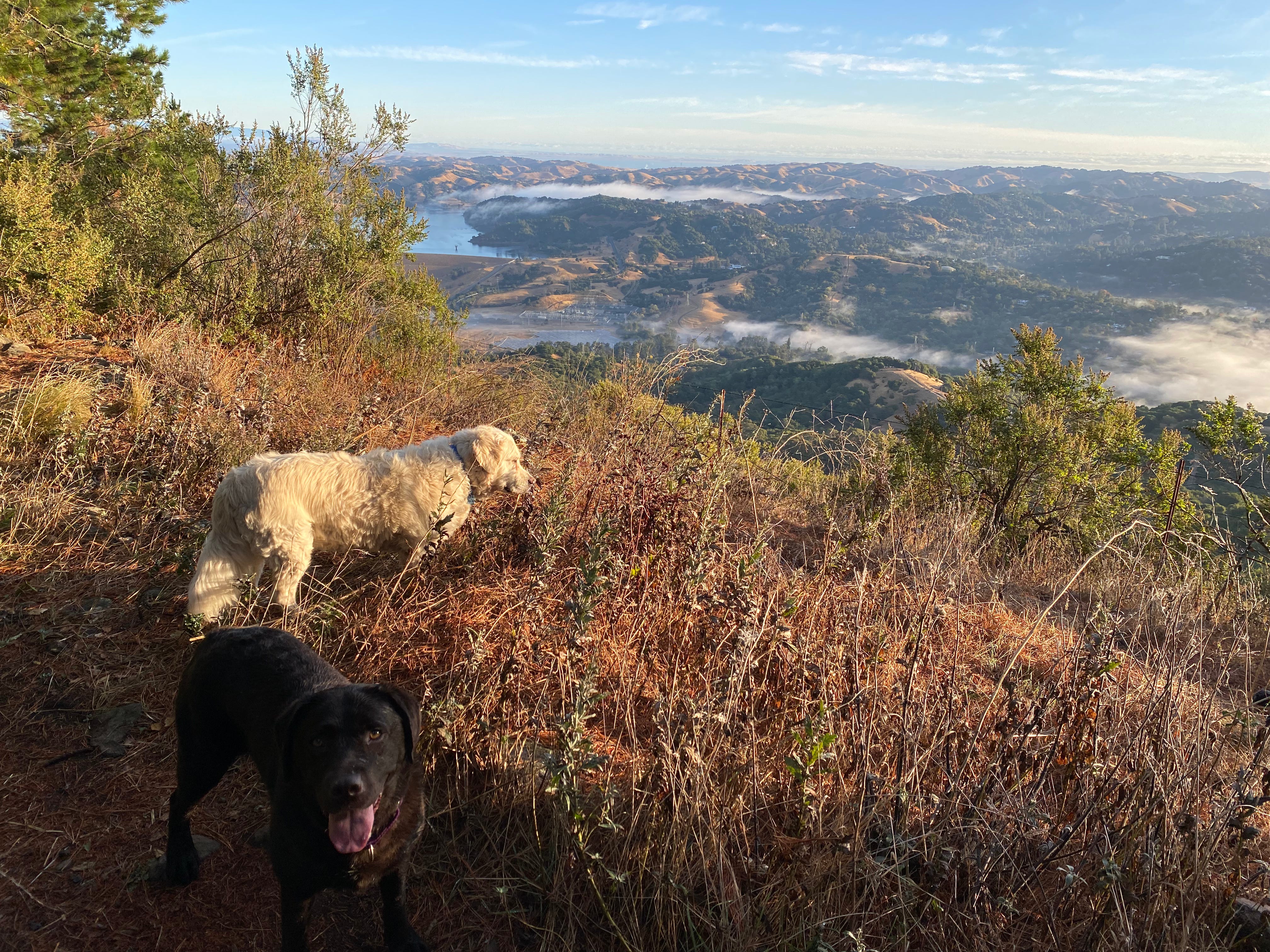
Tilden Park, 2,000 acres of hills and trails near Berkeley. Whenever I got stuck, I’d head up for a hike with our dogs and record voice memos as I went. During editing, I’d bring a backpacking chair, printed-out chapters, and a mug of coffee.
2. What’s the thing most people get wrong about being a writer?
That it’s like knitting: you just sit down and do it. Usually, it’s a symphony of false starts, unnecessary tangents, terrible metaphors, and creative procrastination. All writing, as they say, is rewriting.
3. What’s your most common form of procrastination?
Cleaning the house.
4. What’s the first thing you do after you finish a draft?
Go far away from a computer. Hike, swim, grab a beer with friends. That window of writerly accomplishment is fleeting; you need to maximize it before the internal editor kicks back in and starts nagging you.
5. What’s a writing habit you’re embarrassingly superstitious about?
Starting at the start. I have friends who write the end of their stories first or can begin work on a book with, say, Chapter 5. Not me. Until I have the beginning—whether a lead on a magazine story or the first chapter of a book—the rest doesn’t come, for better or worse.
6. What’s something you wish you’d started doing five years ago?
Investing in Nvidia?
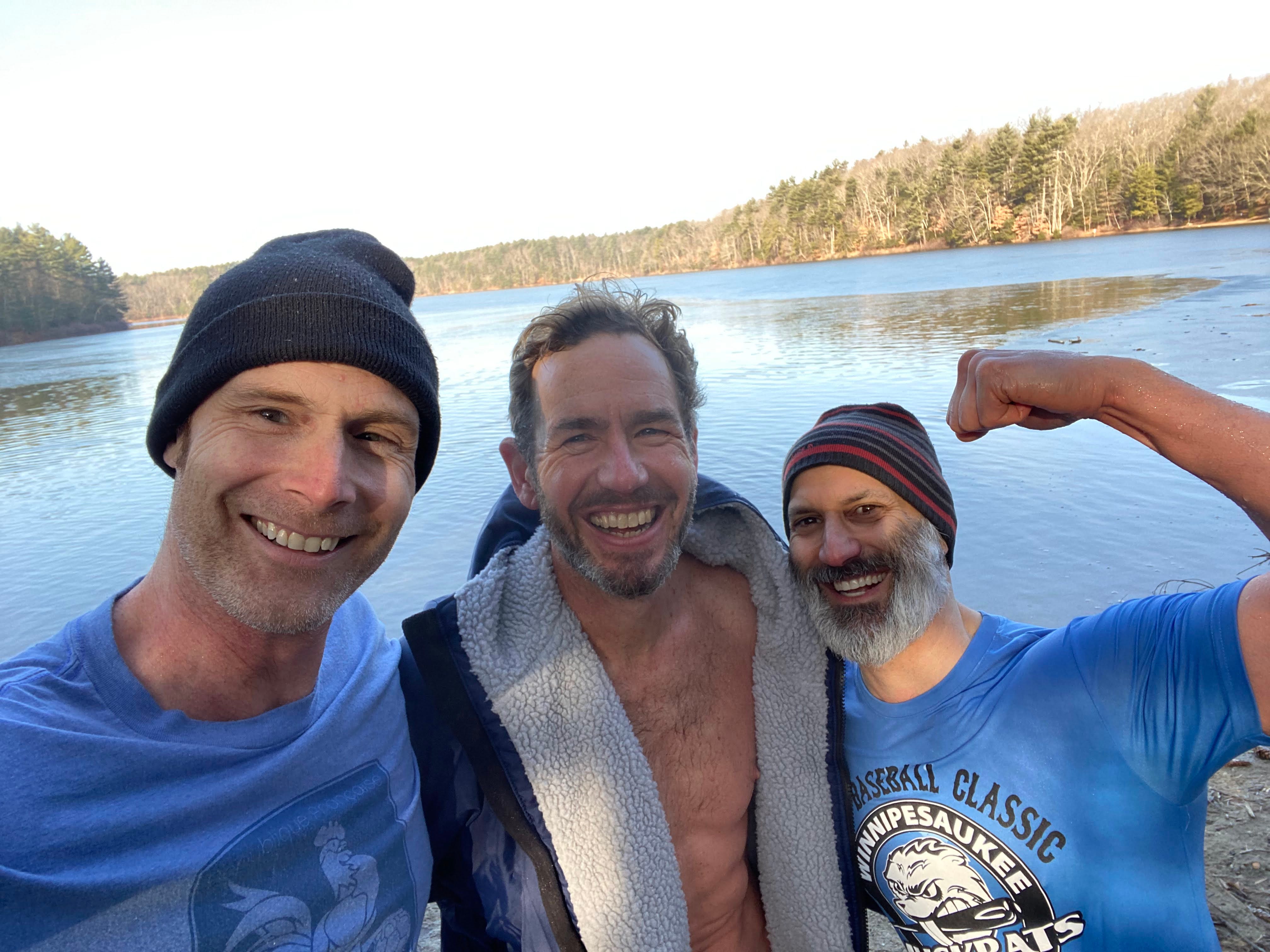
Realistically, swimming. I’ve spent my life pounding my joints into submission—basketball, more basketball, half-marathons, tennis. Swimming has allowed me to exercise more, and enjoy it more, without all the injuries. It’s also a wonderfully meditative activity.
7. Where do you find new ideas, and how do you keep track of them?
An old professor of mine had an exercise that I stole and used with my students at the Cal J-School.
Make three columns on a piece of paper. Title one Love, one Hate, and one Fear. Now, free associate and list as many things as you can in each column. Don’t worry about quality. You might love ice cream and your dad. You might hate racism and the Pittsburgh Steelers. You might fear solitude and AI.
The point was that everything on those lists elicits an emotion in you. And if you’re passionate about it, you’re more likely to report the heck out of it, which makes all the difference.
If something appears on two lists—say, you both love and fear your dad—well, then you’ve already got the bedrock of all narrative: conflict.
8. What’s the best piece of professional advice you’ve ever received?
“Do the thing that makes you wake up every morning wanting to do that thing.”
That came from S.L. Price, an author friend and colleague at Sports Illustrated. That really matters with a book idea: Is this a topic you’re excited to wake up to every day for the next three or more years?
9. And the worst?
Anything involving the word “content.”
10. Whose career do you most admire and why?
Michael Lewis. He parachutes into these arcane worlds, learns about them, then emerges and explains them to the rest of us through seemingly effortless storytelling.
11. What’s on your nightstand right now?
The Art Thief, by Michael Finkel.
Sometimes a book works not because of what the writer puts in but because of what they leave out. Finkel tells the whole story in 200 pages when it easily could have been 400.
12. How did you find your agent?
The recommendation of a friend.
13. What’s a writing rule you’ve happily broken?
Don’t start a sentence with “And.”
Of course, I do it way too much. Thank goodness for editors.
14. What tech tools (AI included) do you actually use—and which ones do you actively ignore?
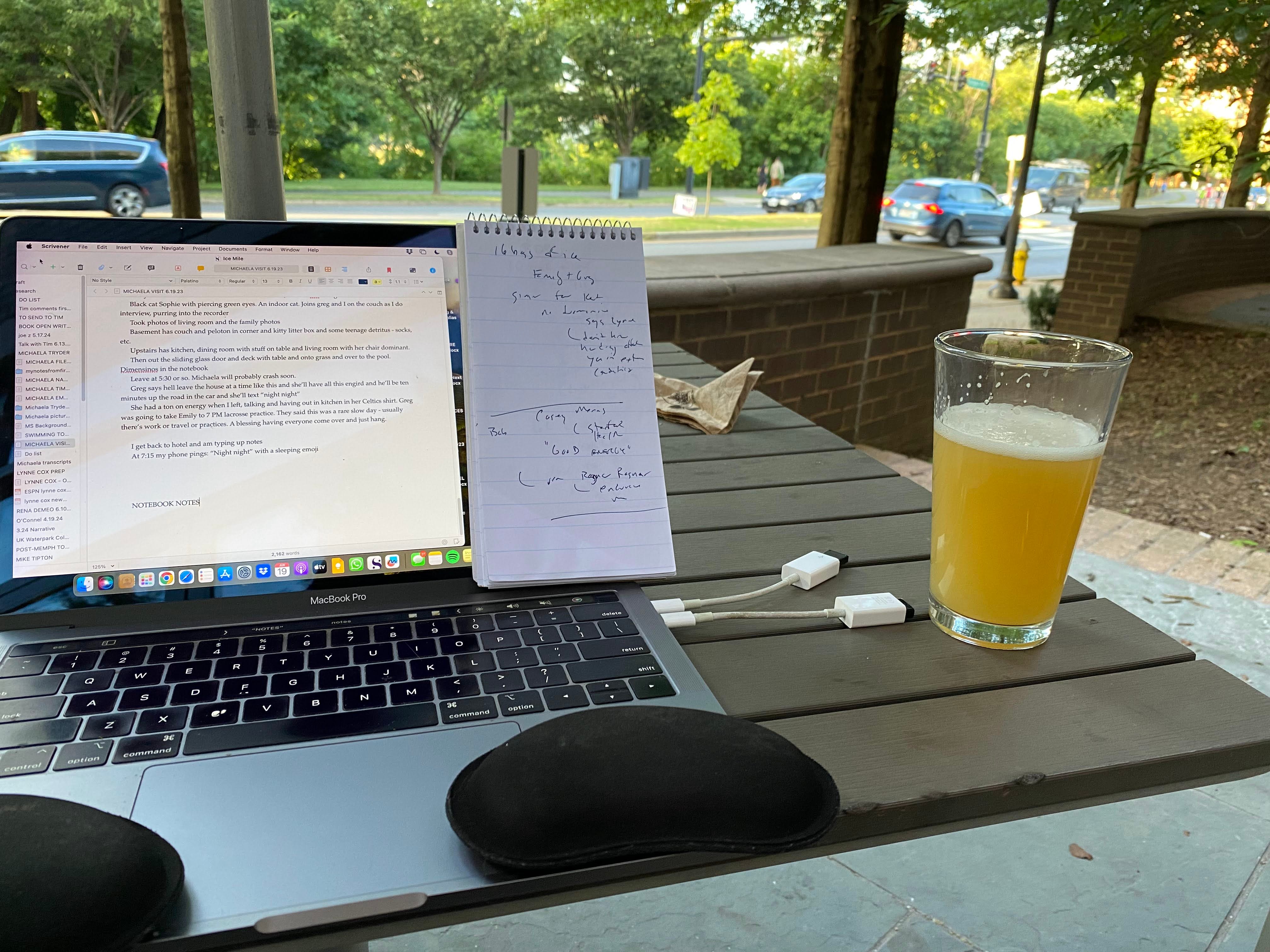
Reporting: iPhone Voice Memos, TapeACall, Rev (for transcription), and Pilot G-2 gel pens, which aren’t tech at all but to which I’m devoted.
Writing: Scrivener.
15. What’s the best non-writing skill that’s helped your writing career?
Noticing stuff.
While reporting, I spend a lot of time thinking, “How would I describe this person to someone else in two sentences or less?” Ideally, you’re finding one or two details that help tell a larger story.
For example, I once wrote a magazine story about professional game show contestants and, during lunch with a subject, he ordered milk and drank it with a straw. Immediately, I knew that had to go in the story.
16. How many drafts before you show your editor?
For my actual editor, probably dozens.
Prior to that, I send it to a handful of very gracious, very patient friends whom I trust to be honest and, if necessary, ruthless.
17. Can you describe your ideal workday?
Up with the sun, coffee, quick hot tub and cold plunge, hike with a friend and/or our dogs, three hours of work, exercise, lunch, four hours of work, dinner with the family.
18. How does that compare to your actual workday?
If I’m lucky, that is my actual workday. Most of the time, that flow is interrupted by real-life obligations.
19. If you could write one book in a totally different genre than you usually do, which would it be?
Reported fiction like Michael Crichton.
Take an interesting idea, weave a rollicking narrative around it, and, if you’re missing a fact, just invent one.
20. What’s something about the writing life that still surprises you?
The writing itself never gets easier, no matter how long you’ve been doing it.
John Irving put it best: “The wonderful and terrifying thing about the first page of paper that awaits the first sentence of your next book is that this clean piece of paper is completely unimpressed by your reputation, or lack thereof…”
21. What is your new book about?
Essentially, it’s Born to Run for cold water.
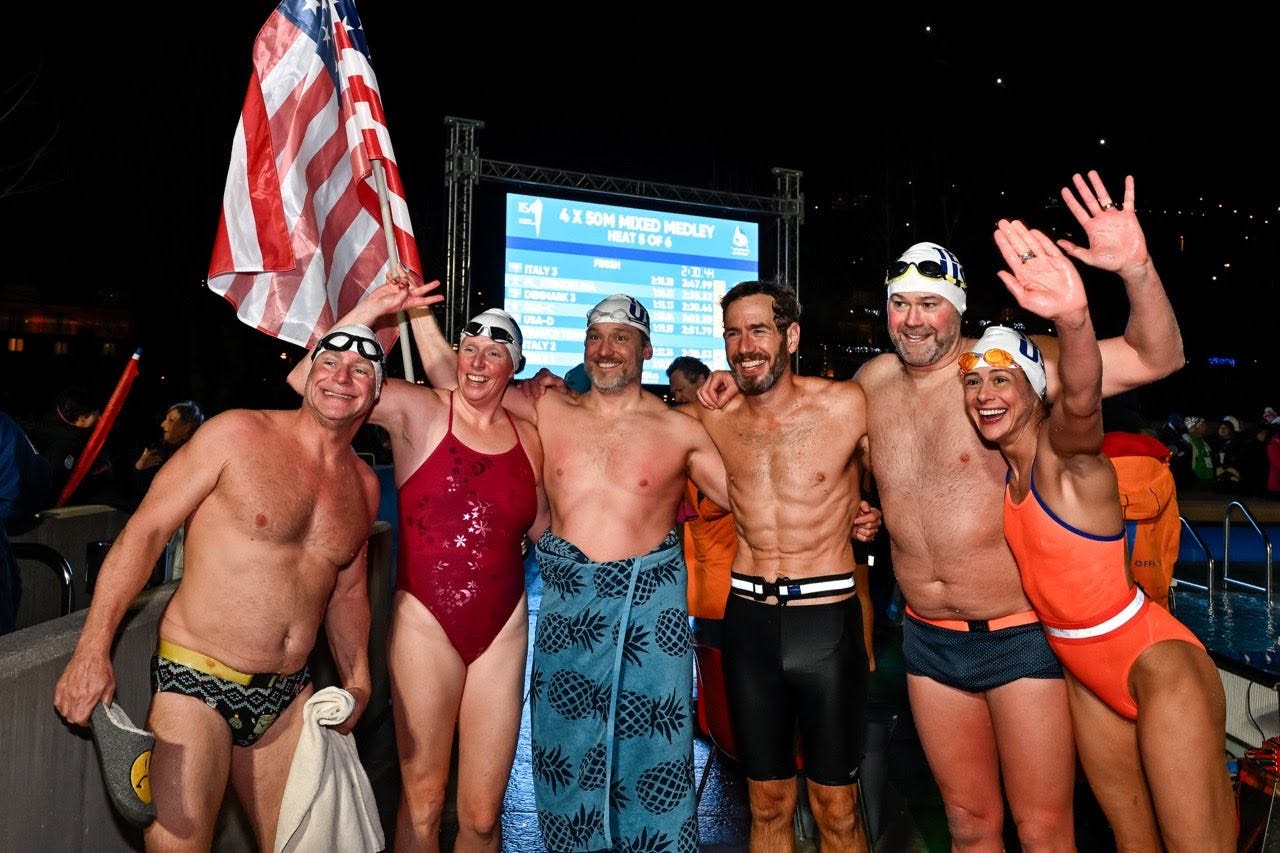
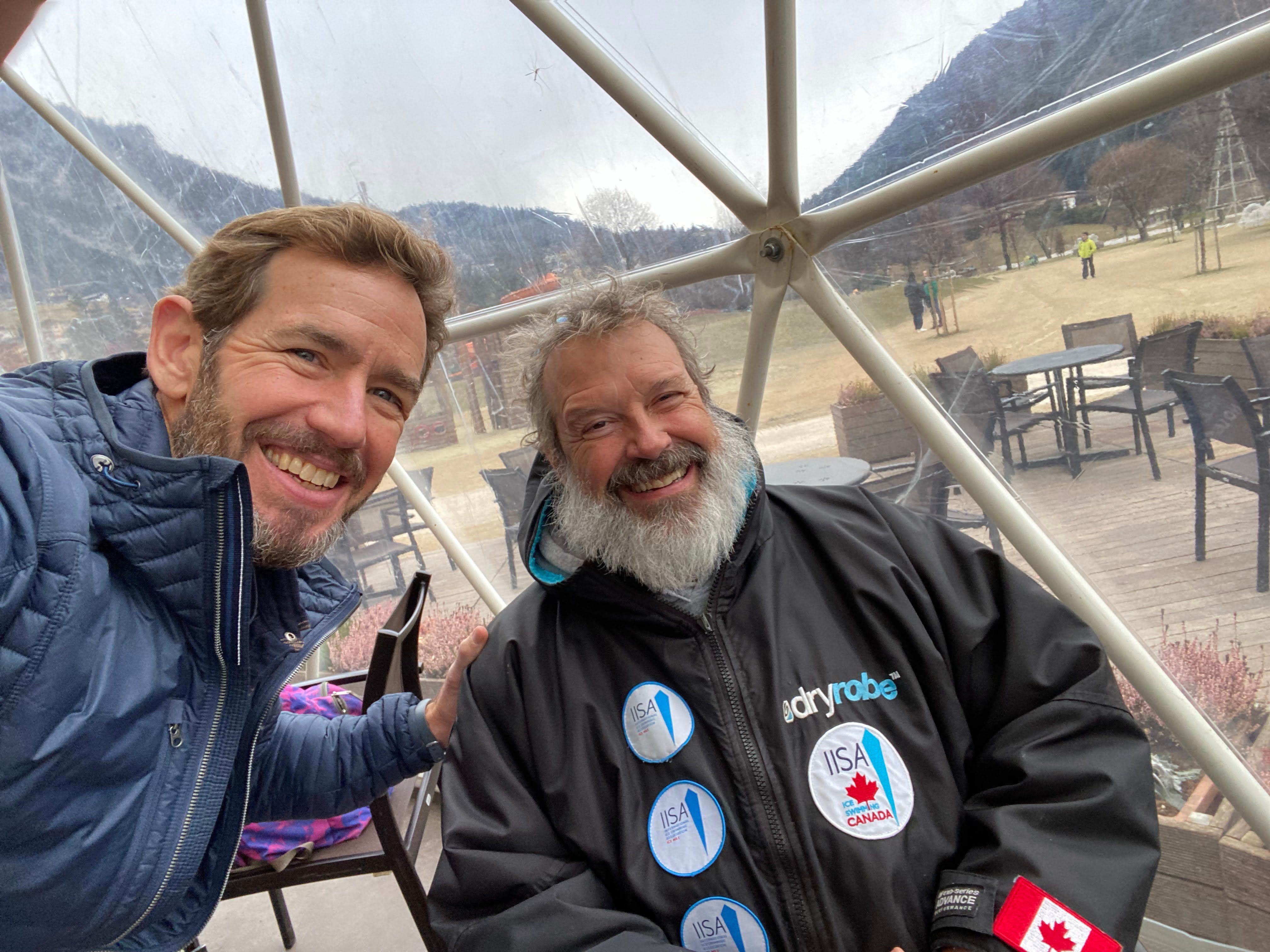
I started out skeptical of cold plunges and all the hype surrounding them. Then, while reporting this book, one thing led to another, and I somehow ended up on the U.S. National Team, competing at the Ice Swimming World Championships in Italy alongside actual Olympians.
Along the way, I traveled across the globe, interviewed scientists, psychologists, and endurance athletes, and explored why so many people are drawn to deliberate discomfort in an age built around comfort and convenience.
The book is partly an adventure story, partly a deep dive into the science of cold, and partly an attempt to answer a larger question: What happens when we choose to do hard things?
Anything you’d like to ask or crowdsource from fellow authors in the Author Insider community?
I’d love to hear about authors’ favorite places to work outside the home that aren’t coffee shops.
If you enjoyed Chris’s Q&A, you can learn more about his new book here: The Plunge: Maverick Swimmers, an Unlikely Quest, and the Transformative Power of Cold Water
More from Author Insider
Author Insider is where writers get the real story of publishing—thoughtful conversations with industry insiders and bestselling authors, clear-eyed analysis of where the market is headed, and practical strategies for building a sustainable writing career. Whether you’re just starting out or several books in, the goal is the same: helping you make smarter decisions about your work.
If you’re new to Author Insider, here are a few reader favorites:
Until next time,
Panio
Author Insider is a reader-supported publication. To receive new posts and support my work, consider becoming a free or paid subscriber.