
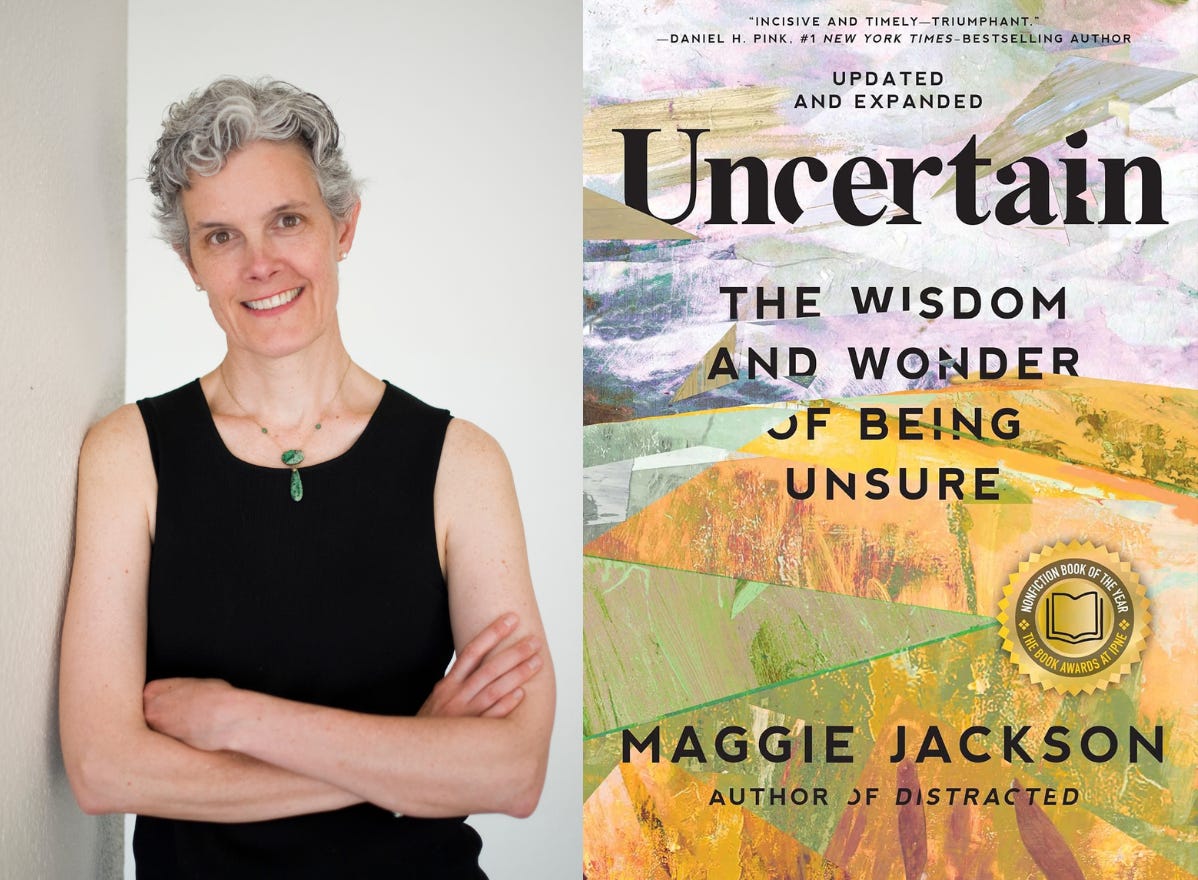
Maggie Jackson writes about the mental habits that shape how we move through the world. Her first book, Distracted, examined the costs of fractured attention long before the subject became a cultural obsession. In Uncertain, she explores the uneasy, often disorienting experience of not knowing what comes next or what to make of what’s in front of us.
Jackson makes the counterintuitive case that being unsure can deepen curiosity, sharpen thinking, and make us more open to new possibilities—an argument that feels especially resonant in a culture that rewards speed, certainty, and instant answers.
With Uncertain now out in paperback, it seemed like a perfect moment to revisit the book—not least because its central idea applies so naturally to writing a book—and to hear Jackson reflect on writing with the same curiosity and openness she brings to every subject.
21 Questions with Maggie Jackson
1. I couldn’t have written my last book without…
Oodles of silence, strong tea, and support from both my family and, oddly enough, from strangers. It inspires me enormously when someone I meet in passing or at a party gets excited by the premise of my project. The more questions they ask, the more I know I’m onto something new and original.
2. What’s the thing that most people get wrong about being a writer?
That it’s easy. Yes, it’s easy to put words on paper. It may even be easier to consider ourselves writers today when AI generates facile, seemingly impressive prose. But being a good writer takes patience, grit, discipline, curiosity, and more. Writing can be a joy and a revelation, but most of the time, its rewards are in reverse proportion to its ease.
3. What’s your most common form of procrastination?
As a nonfiction writer, I sometimes put off writing by doing more research, although that’s not always a bad thing as those last little pushes into the unknown can yield the best nuggets. In general, I’m not allergic to a little procrastination because often delay is a kind of fallow time, a momentary pause that allows our minds to synthesize, curate, and connect the dots about our work.
4. Do you read your reviews?
Yes. Praise helps carry me through the long days in the writing cave and constructive criticism can be a learning opportunity. That doesn’t mean I’m not pained by reviews that I think are unfair but bringing a book out into the world means that at some point you’ll be the target of someone’s ire. That’s the nature of the game.
5. What’s the first thing you do after you finish a draft?
Set it aside for a few days or a week to gain perspective.
6. Kiss, marry, kill: podcasts, newsletters, and speaking gigs.
Kiss them all. I love going out into the world with my ideas and seeing what happens, especially in real-time. Questions from interviewers, listeners calling into a radio show, readers at a signing, or audience members at a talk all teach me so much about a topic, even after I’ve been researching it for years!

7. What’s a writing habit you’re embarrassingly superstitious about?
This might be a bit boring but: starting work on time. Even if the timing is self-imposed, I like to be at my desk at the same hour each morning, because I think best early in the day.
8. What’s something you wish you’d started doing five years ago?
Taking mini-breaks—they’re more restorative than I once assumed.
9. Where do you find new ideas, and how do you keep track of them?
I find loads of new ideas by reading widely and talking to as diverse an array of people as I can. Finding The Big Idea for a book that will take years of my life is another story. Mainly, I keep an inner eye on whatever themes haunt me, pique my curiosity, and seem both timely and timeless. As for tracking my ideas, my working life is carried out as much on paper as in the digital world.
10. What’s the best piece of professional advice you’ve ever received?
I had the great fortune to take a class with John Hersey, who pressed upon his students the importance of including telling detail. Whether you’re describing an idea, a scene, or a person, the particular brings your writing to life. Prose that lacks detail is like a tree that’s lost its leaves: bare.
11. And the worst?
“The world isn’t waiting for this book.” What a deflating comment in the guise of advice.
Anyhow, it can be a fool’s errand to feverishly chase whatever flavor or fashion the world wants at any moment. Instead, stay true to your inner voice and innate originality. Maybe the world just doesn’t yet know that it needs your book!
12. What’s on your nightstand right now?
A pen and notebook. A few travel guides. Joyful, Anyway by Kate Bowler. Why Does the Universe Exist? by Jim Holt. Talking Classics by Mary Beard. The Secret Agent by Joseph Conrad. And a lamp.
13. How did you find your agent?
Through a mom-friend who’s also a fellow journalist.
14. What’s a writing rule you’ve happily broken?
“Write about what you know.” Instead, I write about what I want to know. The more mysterious and tangled the question, the more curious I am.
15. What tech tools (AI included) do you actually use—and which ones do you actively ignore?
As a science writer with a focus on tech’s impact on thinking, I’m acutely aware of how easy it is to defer to AI, and how often LLMs distort our metacognitive abilities to think about our thinking. As well, studies show that most people aren’t even aware of A.I.’s deep influence on their cognition. For all these reasons, I don’t use LLMs to write my articles and books, or even email. In research, A.I. is increasingly unavoidable but I carefully check the sourcing and accuracy of A.I.-generated search results, especially those unasked-for summaries. To guard my focus, I don’t use notifications and keep clocks hidden away.
16. What’s the best non-writing skill that’s helped your writing career?
Staying energetic. Writing a book is a marathon, not a sprint, so having the inner fire to keep at it is crucial. As well, being out in the field reporting from places as diverse as robotics labs, operating rooms, or artist studios can be grueling, so I try hard to take care of my self so I can preserve my zip.
17. How many drafts before you show your editor?
Countless.
18. Can you describe your ideal workday?
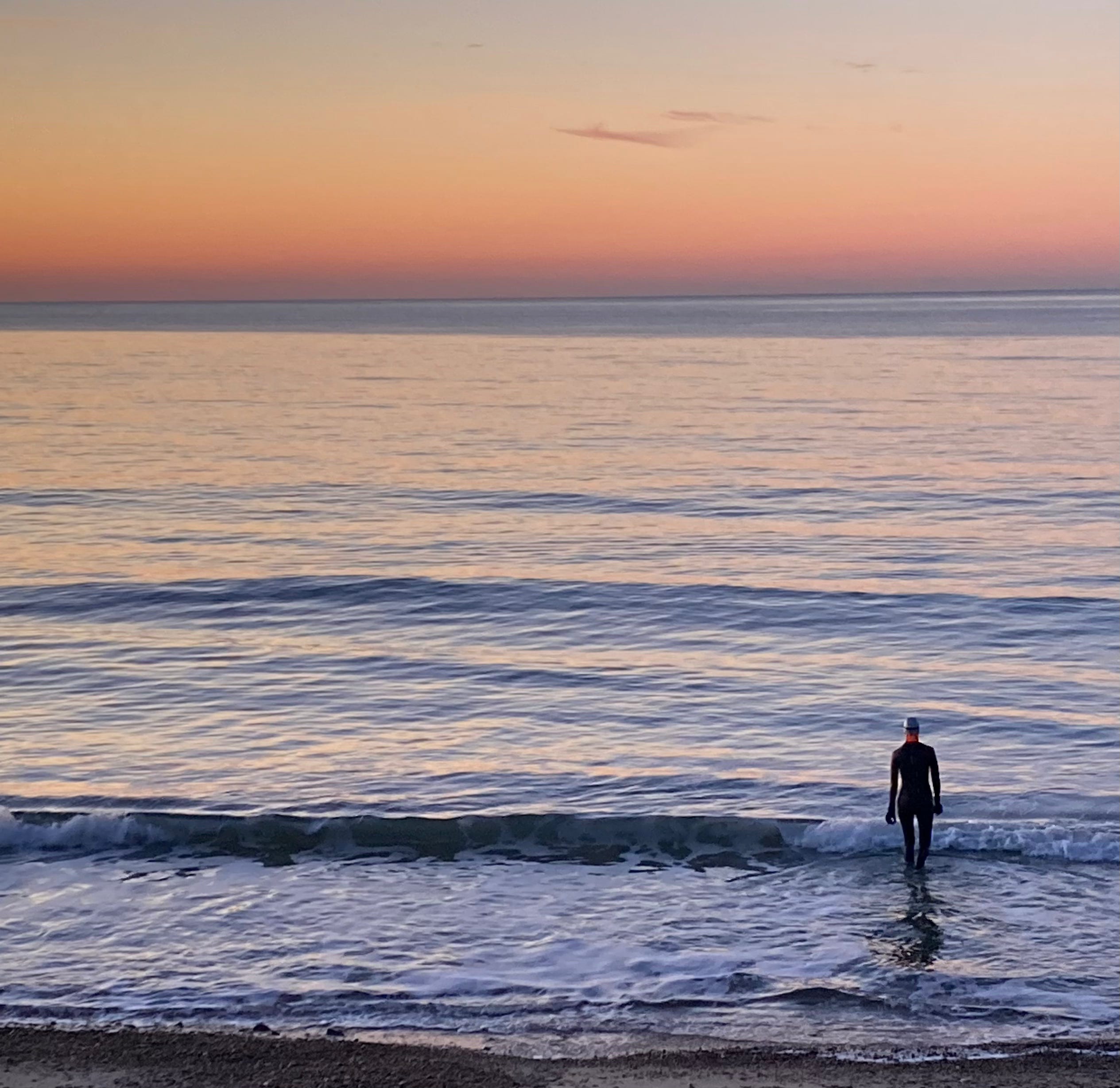
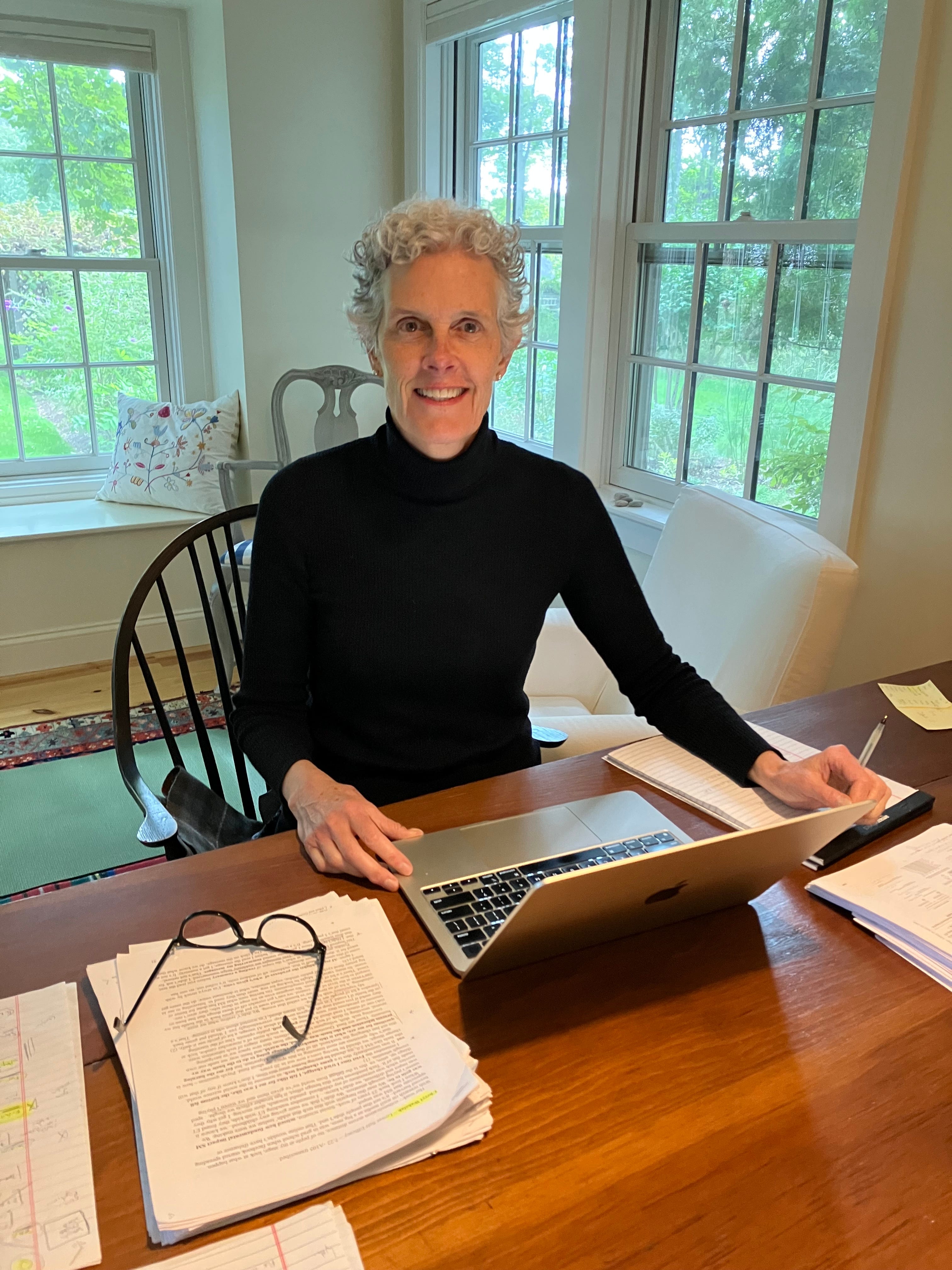
My ideal workday starts with a swim in the Atlantic ocean rain or shine year-roundthe joy and exhilaration are amazing—and ends with a walk. When I’m writing a book, I welcome breaks but not interruptions and do everything I can to be in a quiet place. As well, I used to race from task to task. But since discovering that short pauses boost memory, I try to do nothing for a few minutes at natural break points, such as after long interviews or bursts of complex reading. Slices of “fallow time” help the mind digest and synthesize and remember. I’ve learned over the years that working better doesn’t have to mean working breathlessly.
19. How does that compare to your actual workday?
Life happens! But I still aim to assemble those pieces of the puzzle as best as I can. I have also learned from experience that a “bad” day of writing is often followed by a day when the pieces fall into place, at least a bit.
20. What’s something about the writing life that still surprises you?
How much lingering in the unknown teaches us, whether it’s allowing yourself a looser chapter outline or not overly scripting an interview.
21. Anything you’d like to ask or crowdsource from fellow authors in the Author Insider community?
I wish we would all band together and demand that all organizations pay authors! While we are well-paid for speaking gigs at companies and conferences, we’re expected to work for free at far too many festivals, libraries, and even signings. While such appearances help us promote our books, we still should be compensated for our time and expertise, especially if writing is our day job. After all, our work keeps the fires of literature burning brightly for all.
You can learn more about Maggie’s book here: Uncertain: The Wonder and Wisdom of Being Unsure.
Author Insider is where writers get the real story of publishing—thoughtful conversations with industry insiders and bestselling authors, clear-eyed analysis of where the market is headed, and practical strategies for building a sustainable writing career. Whether you’re just starting out or several books in, the goal is the same: helping you make smarter decisions about your work.
If you’re new to Author Insider, here are a few reader favorites:
Until next time,
Panio
Author Insider is a reader-supported publication. To support my work, consider becoming a free or paid subscriber.