
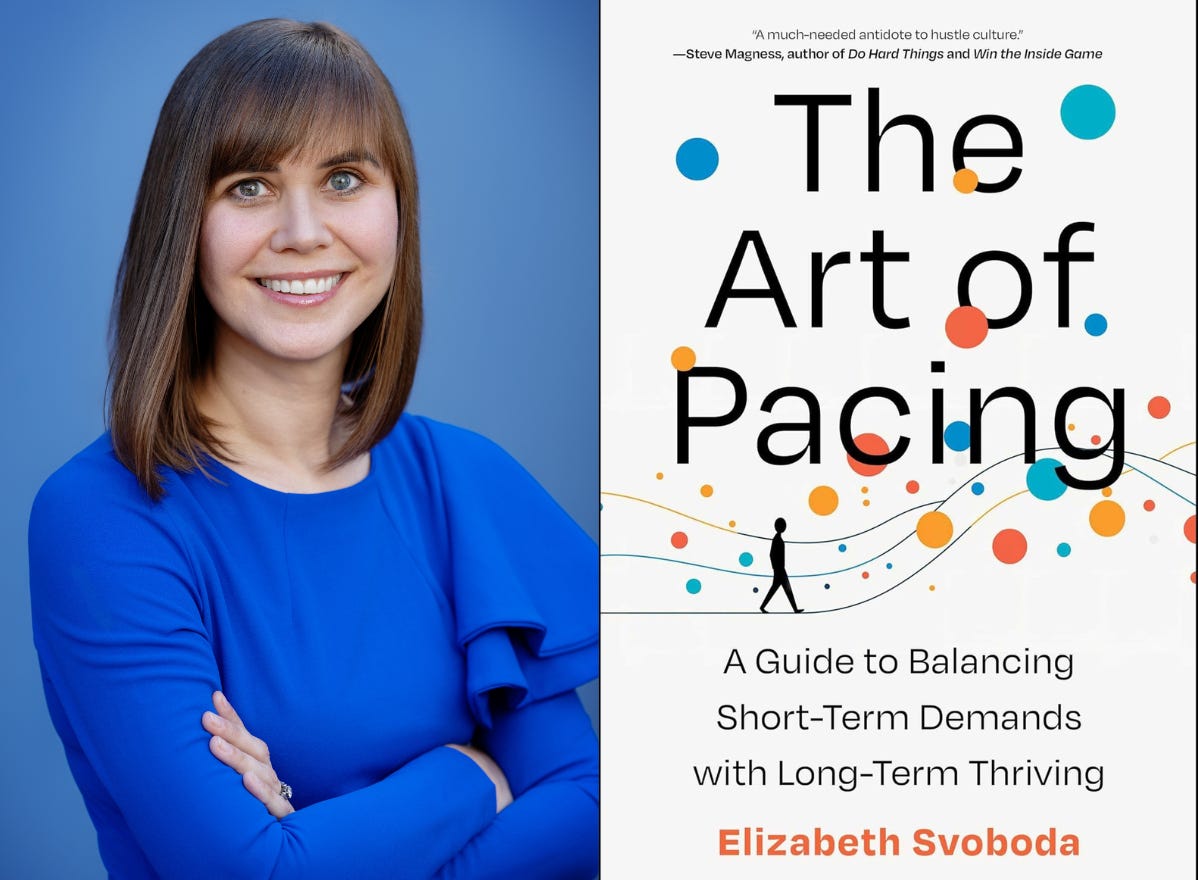
Elite runners know that going all out from the starting line is a great way to lose a race. Yet in the rest of our lives, many of us treat every project like an all-out sprint.
Award-winning science writer Elizabeth Svoboda argues that we’ve forgotten how to pace ourselves. In her new book, The Art of Pacing, she blends research, memoir, and conversations with athletes, psychologists, and entrepreneurs to explore how adjusting our tempo can help us do better work and build more sustainable lives.
In today’s Author Questionnaire, Elizabeth reflects on writing, ambition, and the unhelpful myth behind going 110 percent.
21 Questions with Elizabeth Svoboda
1. I couldn’t have written my last book without…
The keen and compassionate critical eye of my editor, Kimberly Meilun. After my first editor left her job, I was assigned to Kimberly, and it was the best lottery I ever won.
2. What’s the thing most people get wrong about being a writer?
That when writers are churning out books, or getting nationally published, it means they’re making lots of money.
3. What’s your most common form of procrastination?
This is a little embarrassing, but playing old versions of Oregon Trail, Where in the World Is Carmen Sandiego?, and other ’80s and ’90s games online. In the midst of global upheaval, these games beam me back to what felt like a simpler, more secure time.
4. Do you read your reviews?
Yes, but only intermittently. I refuse to get locked into a cycle of reloading Goodreads to scan for new feedback! (Not that I’ve ever done that. Ever.)
5. What’s the first thing you do after you finish a draft?
Collapse, then probably eat a bunch of gummy worms.
6. Kiss, marry, kill: podcasts, newsletters, and speaking gigs.
Before the publicity cycle for my book started, I would have said “kill” to podcasts. But as I had more and more conversations with podcast hosts, I realized how much fun I was actually having. The hosts have been so engaged and passionate that the shows feel like conversations with your favorite smarter-than-you friend.
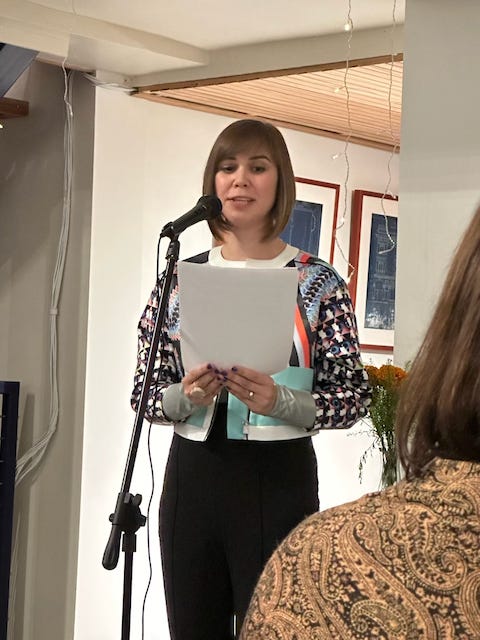
Speaking gigs? Kiss—with lots of drama swirling around it, because I get stage jitters but do enjoy sharing talks I’ve worked hard on.
Newsletters are a natural marry, since I feel more comfortable with the written word than I do the spoken one.
7. What’s something you wish you’d started doing five years ago?
Starting more conversations with amazing writers and artists. I was so intimidated, but I’ve found that when you do reach out, many are kind, hilarious, and supportive! Now I hope to meet more of my online friends in real life.
8. Where do you find new ideas, and how do you keep track of them?
As a baby science writer, I used to mine press releases on newly published studies for ideas. Now, my ideas are much more likely to grow out of pressing questions I have or topics that obsess me. If I’m that drawn into a particular story or inquiry, I figure other people will be too.
I’m not all that good at keeping track of things in general. I do have a bunch of folders in the bookmarks toolbar of my browser, but I spend a lot more time bookmarking interesting sites than actually going back to them.
9. What’s the best piece of professional advice you’ve ever received?
“Write about what you love.”
I know we get told that from grade school on, but so far it’s never steered me wrong.
10. And the worst?
A former Discover magazine editor told me, when my internship ended, that I should look for a job with a small local newspaper covering things like the crime beat. It was tempting to take this person seriously at the time, but I’m glad I didn’t listen.
11. What’s on your nightstand right now?
The Member of the Wedding by Carson McCullers.
12. How did you find your agent?
She found me after reading a New York Times article I’d written about mental skills training for athletes, and our discussions later became the framework for The Art of Pacing.
13. What’s a writing rule you’ve happily broken?
The Strunk and White injunction never to use “the fact that.”
The fact is that sometimes that phrase is useful!

14. What tech tools (AI included) do you actually use—and which ones do you actively ignore?
Otter is invaluable for transcribing audio recordings of interviews—it has saved me hundreds of hours of time and effort.
However, I refuse to allow any AI tool to write stories or other content for me.
15. How many drafts before you show your editor?
I can’t really boil it down to a number because I’m such a chaotic drafter. I tend to edit and revise as I write rather than moving from one finished draft to the next.
16. Can you describe your ideal workday?
Rise early and take public transit to a new destination, preferably one with lots of coffee shops (that have outlets for my laptop). Then get into writing flow for at least a couple of good long stints, punctuated by breaks to walk around, explore, and eat.
17. How does that compare to your actual workday?
In practice, I tend to do my first couple of hours of work in my pajamas: catching up on emails, scrolling my feeds, preparing for any interviews that day, brainstorming, etc.
By the time I break to get presentable for the day, I often have a meeting or phone call coming up, so I may not get to leave the house until much later than I’d hoped!
18. If you could write one book in a totally different genre than you usually do, which would it be?
Middle-grade or YA fiction, for sure. Books make such an impact on readers at that stage of life—I know they did for me.
19. What’s something about the writing life that still surprises you?
How writing never gets any easier—and that, in fact, it often feels harder the more experienced you get.
I guess it’s because, as you gain knowledge, you gain awareness of the many ways a story can ring hollow or false.
20. Fill in the blank: In five years, successful authors will all be _____.
The ones who lean unapologetically into their humanity, instead of leaning on ChatGPT to boost their efficiency.
21. What is your new book about?
The Art of Pacing is about how to pace yourself more thoughtfully and sustainably in a variety of contexts: at work, in community ventures, on creative projects, and more.
There’s so much surface-level cultural messaging out there about pacing: we often get told to “go 110 percent” without respite, and if that fails, to withdraw or “quiet quit.” My book explores how to navigate the entire pacing spectrum in more incremental ways that support long-term, engaged contribution.
You can learn more about Elizabeth’s new book here: The Art of Pacing: A Guide to Balancing Short-Term Demands with Long-Term Thriving
More from Author Insider
Author Insider is where writers get the real story of publishing—thoughtful conversations with industry insiders and bestselling authors, clear-eyed analysis of where the market is headed, and practical strategies for building a sustainable writing career. Whether you’re just starting out or several books in, the goal is the same: helping you make smarter decisions about your work.
If you’re new to Author Insider, here are a few reader favorites:
Mothers, Daughters, and Deadlines: Memoirist Irena Smith on the invisible threads that shape a life.
Until next time,
Panio
Author Insider is a reader-supported publication. To receive new posts and support my work, consider becoming a free or paid subscriber.